10 Best Turtle Tanks
From leading brands and best sellers available on the web.By clicking on a link to a third party's website, log data is shared with that third party.
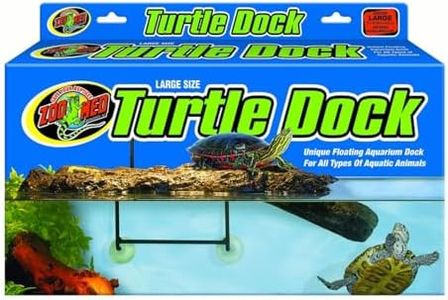
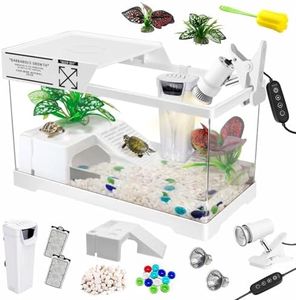
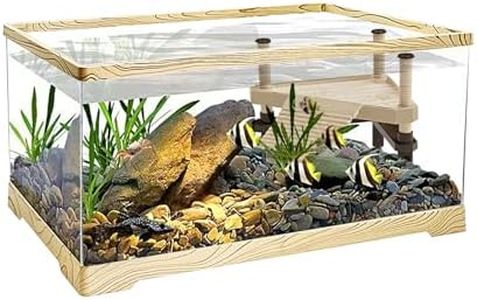
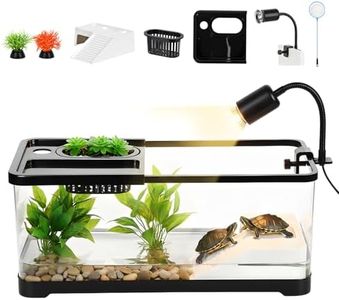

Related Products




Buying Guide for the Best Turtle Tanks
Choosing the right turtle tank is essential for the health and happiness of your pet turtle. The tank is their home, where they will live, swim, bask, and explore, so it's important to ensure you provide a suitable environment. When shopping for a turtle tank, you should consider not only the tank itself, but also how it will fit into your space and how you'll keep it clean, warm, and safe. Understanding the main features of turtle tanks will help you make the best choice for your turtle's needs.Tank Size (Volume)The tank size is the amount of space your turtle will have, usually measured in gallons or liters. Turtles are active and produce a lot of waste, so a larger tank helps maintain clean water and provides room to swim and explore. Small tanks (under 40 gallons) are only suitable for baby turtles or temporary setups. Medium tanks (40–75 gallons) can work for young or small adult turtles. Large tanks (75 gallons or more) are best for adult and multiple turtles. To choose the right size, consider the turtle’s adult size—not just how big they are now. A good rule is at least 10 gallons per inch of turtle shell length. Remember: bigger is generally better for both turtle health and water quality.
Material (Glass vs. Acrylic)The material of a turtle tank affects its durability, weight, and clarity. Glass tanks are heavier but scratch less easily and resist clouding over time. Acrylic tanks are lighter and easier to move, but can be more prone to scratches. If you plan on moving your tank or want a very large one, acrylic might be easier to handle. For stationary tanks or if you have children around, glass is often sturdier. Consider your room, who will help move or clean it, and how much handling the tank will get.
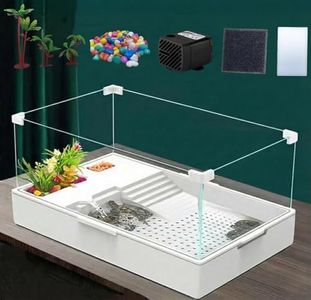
Tank Shape and DepthTurtle tanks come in various shapes: standard aquariums, long tanks, and specialty turtle tanks with integrated basking areas. Turtles need both swimming and basking space, so choose a tank that is not too tall and has enough surface area for your turtle to swim and turn easily. Shallow, long tanks are usually better than deep, narrow ones, as most turtle species prefer more horizontal room. If your turtle needs to surface to breathe, make sure they don’t have to swim too far up.
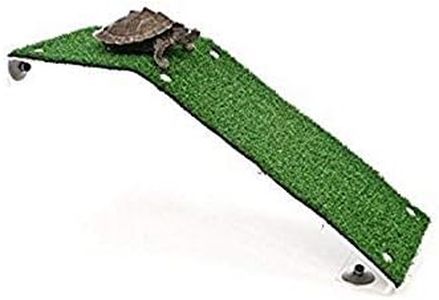
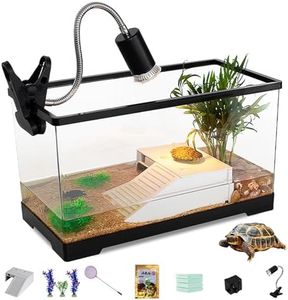
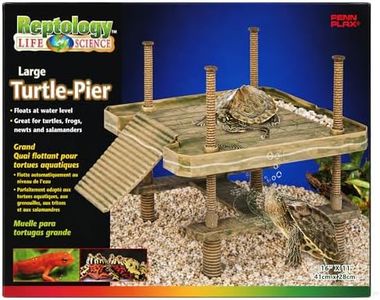
Basking Area AccommodationTurtles need a dry basking area to rest and absorb heat from a basking lamp. Some tanks come with built-in basking platforms or allow for easy installation of one. When choosing a tank, check if it can support a sturdy basking setup without taking away too much swimming space. If your chosen tank doesn't have an integrated platform, make sure you have a plan for adding one safely.
Filtration CompatibilityTurtles create a lot of waste, so proper water filtration is crucial. Look for tanks that either have built-in filtration or can easily accommodate a strong external or submersible filter. Check the support ledges or drilled holes if you plan to use sophisticated filters. You’ll need filtration rated for at least twice the volume of your tank. When considering your options, ensure your filter type matches the style and size of your tank.
Ease of Cleaning and AccessYou’ll need regular access to the tank for cleaning, feeding, and maintenance. Tanks with wide lids, large doors, or open tops make routine care much easier. Consider how easy it is to reach all parts of the tank, and think about lifting water in and out. If maintenance would be difficult due to narrow openings or awkward shapes, it could quickly become frustrating.