10 Best Tusa Snorkeling Masks
From leading brands and best sellers available on the web.By clicking on a link to a third party's website, log data is shared with that third party.

Related Products
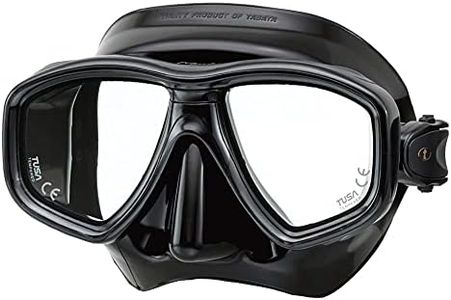
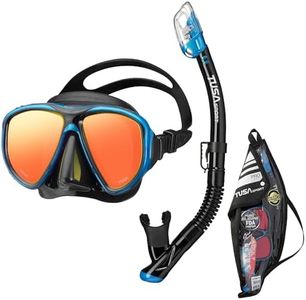
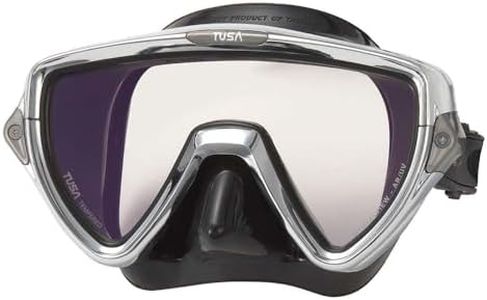
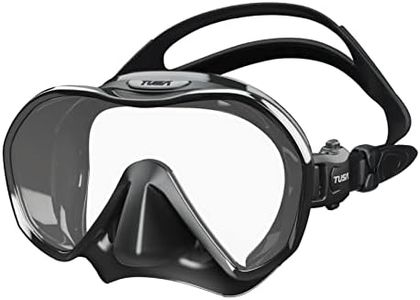
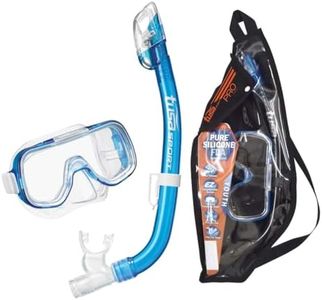
Buying Guide for the Best Tusa Snorkeling Masks
Choosing the right snorkeling mask is essential for a safe, comfortable, and enjoyable underwater experience. Your mask should fit well, provide a clear view, and be easy to use whether you’re a beginner or have been snorkeling before. To find the best fit for you, it’s important to understand the main features and specifications of snorkeling masks, how they affect performance, and how your personal needs and face shape play a big role in your decision.Fit and SealThe fit and seal of a snorkeling mask refer to how well the mask sits on your face and prevents water from leaking in. This is arguably the most important aspect because a poor seal can result in constant water leaks and discomfort, making your snorkeling trip unpleasant. Masks come in different sizes and skirt shapes (the soft material that touches your face), and you should look for one that follows the contours of your face without being too tight or too loose. To choose the right fit, try placing the mask on your face without the strap, inhale slightly through your nose, and check if the mask stays in place; this indicates a good seal. Choosing based on your face size and shape (narrow, broad, high cheekbones, etc.) will help prevent leaks and increase comfort.
Lens Type and Field of ViewLens type refers to whether the mask has a single or dual lens construction and can also describe special coatings or materials. The field of view is how much of the underwater world you can see when looking through the mask. Single lens masks offer an uninterrupted view, while dual lens masks might allow for a lower profile and the option for prescription lenses. Tempered glass lenses are common for safety and clarity. Choose a mask with a wide field of view if you want to enjoy panoramic underwater scenery, but be aware of lens shape—some curved designs can distort vision. If you wear glasses, you may prefer a dual lens mask that allows prescription inserts. Think about how important a wide, clear view is to your enjoyment.
Skirt MaterialThe skirt is the soft, flexible material surrounding the mask that forms the watertight seal against your face. It’s typically made of either silicone or cheaper rubber. Silicone is preferred for snorkeling because it is softer, more durable, less likely to cause allergic reactions, and creates a better seal. Thin, high-quality silicone skirts adapt more easily to different face shapes. If you plan to snorkel often or have sensitive skin, always choose a mask with a silicone skirt rather than rubber, as it will be more comfortable and last longer.
Strap and AdjustabilityThe strap and its adjustment features are what keep the snorkeling mask securely on your head. Good adjustability means you can easily tighten or loosen the mask to find a comfortable, secure fit. Some masks offer quick-adjust buckles that are simple to use even while you’re wearing the mask. Wide, split straps help distribute pressure and prevent the mask from pulling your hair or slipping. When picking a mask, look for one with easy-to-use, flexible adjustment points, especially if you’ll be sharing the mask or plan to remove it often.
Breathability (Full-face vs. Traditional)Some modern snorkeling masks are full-face masks that cover both your eyes and mouth, allowing you to breathe naturally through your nose and mouth. Traditional masks cover your eyes and nose only and require a separate snorkel for breathing. Full-face masks can feel less claustrophobic and may reduce fogging, but they tend to be bigger and not suitable for diving below the surface. Traditional masks are more compact and versatile. Your choice depends on whether you prioritize simplicity and comfort (full-face) or versatility and compactness (traditional). Consider your typical snorkeling environment and what feels most natural when breathing.
Anti-fog FeaturesAnti-fog features determine how well the mask resists fogging up while you snorkel, which can be annoying and obscure your vision. Some masks come with anti-fog coatings or have a design that improves airflow to prevent moisture build-up. Others might require you to apply anti-fog solutions before use. If clear vision is important to you and you don’t want the hassle of dealing with a foggy mask, select a mask with built-in anti-fog technology or a design known to minimize fog.