We Use CookiesWe use cookies to enhance the security, performance,
functionality and for analytical and promotional activities. By continuing to browse this site you
are agreeing to our privacy policy
10 Best Ultralight Trekking Poles
From leading brands and best sellers available on the web.By clicking on a link to a third party's website, log data is shared with that third party.
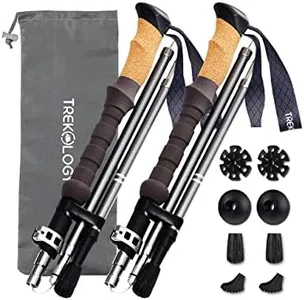
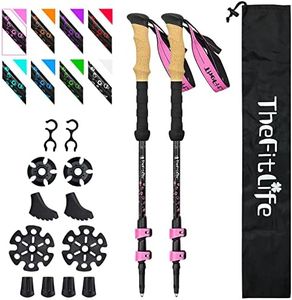
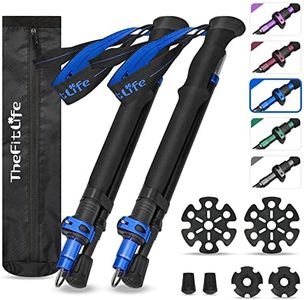
Related Products

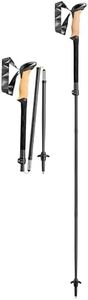
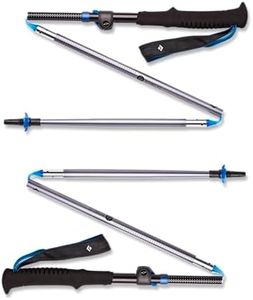
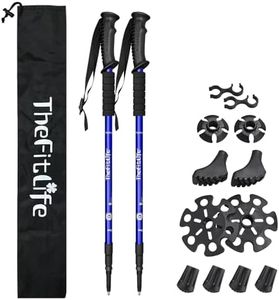
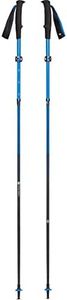
Buying Guide for the Best Ultralight Trekking Poles
Choosing the right ultralight trekking poles can greatly enhance your outdoor hiking experience, especially on long trails or rugged terrain. These poles are designed to reduce the impact on your joints, improve stability, and help you maintain a steady rhythm while walking. Picking the best fit involves understanding your hiking style, terrain preference, and how much weight you’re comfortable carrying.WeightWeight refers to how heavy the trekking poles are. Ultralight poles aim to be as light as possible, usually ranging from around 100 grams to 300 grams per pole. Lighter poles are easier to carry and reduce arm fatigue, especially during long treks. However, extreme lightness can sometimes mean less durability or stability. If you prioritize speed and minimalism or plan multi-day trips, opt for the lightest poles. If you want a balance between lightness and sturdiness (especially on rocky or steep terrains), consider models at the upper end of the ultralight spectrum.
MaterialThe primary materials used are carbon fiber and aluminum. Carbon fiber is lighter and absorbs vibrations better, making it great for saving energy and comfort on long journeys. However, it can be less durable in high-impact scenarios. Aluminum poles are typically a bit heavier but more durable, withstanding more abuse from rocks and harsh conditions. If you’re mainly walking on easy trails, carbon fiber is ideal. For rougher terrain or if you’re concerned about accidental impacts, lean toward aluminum, or at least poles with reinforced sections.
AdjustabilityPoles can either be adjustable or fixed-length. Adjustable poles let you change the length to match different terrains—shorter for uphill and longer for downhill. Fixed-length options are generally lighter and have fewer parts that can fail but lack flexibility in length adjustment. If you often hike on variable terrain or share your poles with others, adjustable is beneficial. If you know the length that suits your height and hike mostly on consistent terrain, fixed-length may suit you well for the weight savings.
Grip MaterialGrips come in foam, cork, or rubber. Foam grips are soft, comfortable, and absorb sweat but can wear out faster. Cork grips mold to the shape of your hand over time and manage moisture well, making them comfortable for long hikes. Rubber grips insulate from the cold and are best for wet or winter conditions but can get slippery in hot, sweaty weather. Choose grip material based on your hand comfort and climate: foam or cork work well for warm, dry climates, while rubber is better if you expect a lot of rain or cold.
Packed SizePacked size tells you how short the poles become when collapsed. Poles with a smaller packed size are easier to stow in or on a backpack, which is useful for travelers and those who hike mixed trails where you may need to pack them away. If you often travel, use public transport, or want to carry your poles inside your pack, look for models with a short collapsed length. If your poles are always in your hands, packed size may matter less.
Locking MechanismThis refers to how adjustable poles are secured at a chosen length, commonly using external levers or internal twist locks. Lever locks are generally more reliable, easier to use with gloves, and quick to adjust. Twist locks can slip over time and may be harder to fix in the field. If you want a quick, reliable adjustment, especially in changing weather conditions or with gloves, lever locks are usually preferred.