10 Best Ultralight Trout Rods
From leading brands and best sellers available on the web.By clicking on a link to a third party's website, log data is shared with that third party.
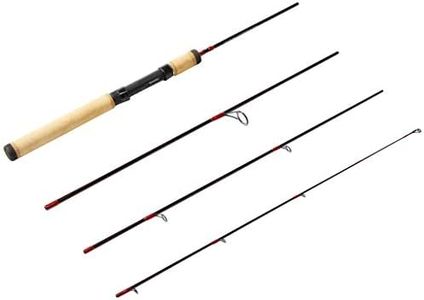

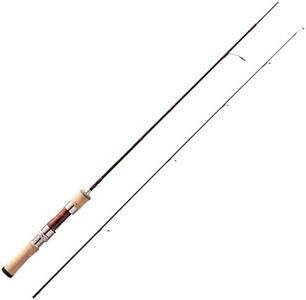
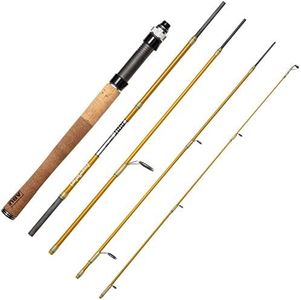
Related Products
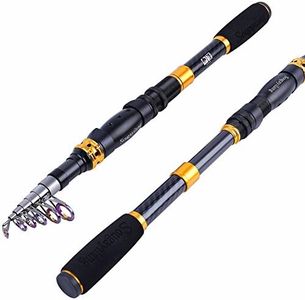
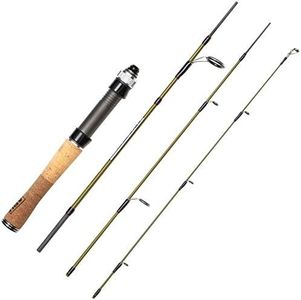
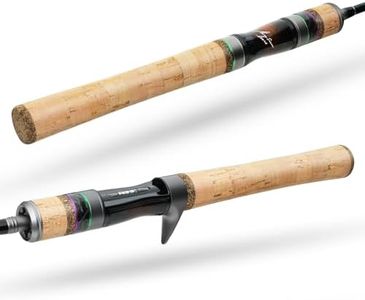
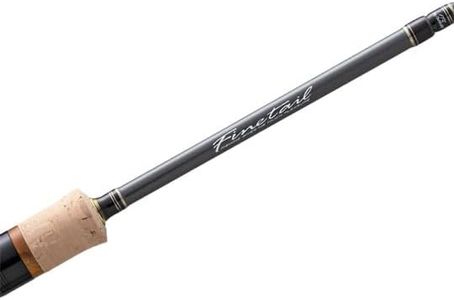
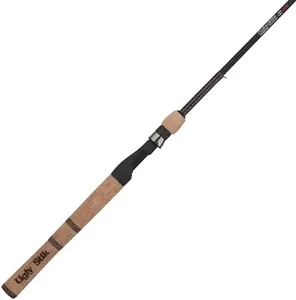
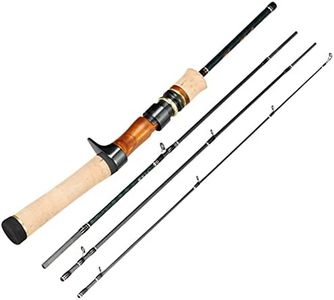
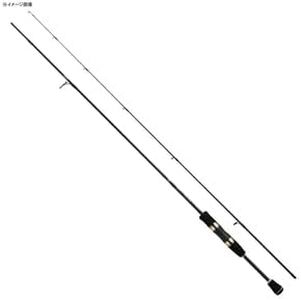
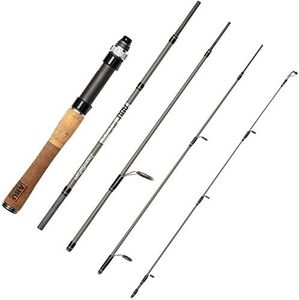
Buying Guide for the Best Ultralight Trout Rods
Choosing the perfect ultralight trout rod is an exciting step for any angler, whether you're just starting out or looking to refine your gear. The key is to match your rod to the kind of fishing you plan to do and the environments you'll be fishing in. Consider how light you want your tackle to feel, what size trout you expect to catch, and where you'll be fishing—small streams, big rivers, or lakes. Your goal should be to pick a rod that feels comfortable in your hands, makes casting pleasant and accurate, and offers enough sensitivity to feel even a gentle bite.Rod LengthRod length refers to how long the rod is from the butt to the tip. This is crucial because it affects casting distance, control, and even how easy the rod is to transport. Shorter rods, generally in the 5 to 6-foot range, are great for fishing in tight spaces like overgrown creeks or small streams, offering precision and quick handling. Medium rods, about 6 to 7 feet, provide versatility and are a good choice for all-around trout fishing, giving a balanced mix of casting distance and control. Longer rods, over 7 feet, offer greater casting distance and line control, which can be useful on large rivers or lakes. Think about where you’ll fish the most—if it’s bushy streams, shorter rods are easiest; for open water or longer casts, go longer.
Power (Rod Weight)Rod power, often referred to as the rod's weight or strength, indicates how much force is needed to bend the rod. For ultralight trout rods, 'ultralight' is the keyword—these rods are designed for the lightest lines and lures. It’s important because a lighter power rod makes it easier to detect subtle trout bites and enjoy more sport with smaller fish, but it may not handle bigger fish or heavy lures. If you are targeting small to medium trout with very light lures—what most people do with ultralights—this is perfect. If you expect to hook into larger fish or want to toss heavier lures, you might want a light or even medium-light rod instead.
ActionAction describes where the rod bends when pressure is applied: towards the tip (fast action), the middle (moderate action), or deeper towards the handle (slow action). This matters because it affects casting, hook-setting, and how you fight the fish. Fast action rods are sensitive and provide more immediate power to set the hook, great for quick presentations and feeling gentle trout takes. Moderate or slow action rods bend more, making them forgiving with light lines and fun for fighting fish. If you want maximum sensitivity for gentle bites and quick hooksets, go fast action. For smoother casts with delicate presentations, consider moderate or slow action.
MaterialRod materials are typically graphite, fiberglass, or composites. This affects weight, sensitivity, strength, and price. Graphite rods are light and highly sensitive, making them popular for ultralight trout setups. Fiberglass rods are more flexible and durable but usually heavier and less sensitive, offering a more forgiving experience, which some anglers prefer for gentle presentations. Composite rods combine these traits for a balance. If you want maximum sensitivity and the lightest rod, go for graphite. If you want a more classic feel and durability, fiberglass or a composite may suit you.
Line and Lure RatingsEvery rod is rated for specific line and lure weights. This tells you what weight fishing line and what size lures the rod is designed to handle. This is important because using gear outside the recommended range can lead to poor casting, broken lines, or damaged rods. Light lines (e.g., 2-6 lb) and light lures (e.g., 1/32-1/4 oz) are standard for ultralight trout fishing—ideal for more natural presentation and subtle takes. Pick a rod whose ratings match the size of trout you expect and the typical lures you use. Too heavy on either could spook fish or break your rod; too light, and you won’t handle larger trout.
Handle DesignThe handle (or grip) of a rod affects comfort and control during fishing. Handles are often made of cork or EVA foam. Cork is traditional, warm, and very comfortable, giving good grip even when wet, though it wears faster. EVA foam is more durable and sometimes grippier but may feel less refined. The length and shape of the handle also affect how you control the rod—a shorter handle is lighter and more maneuverable, perfect for one-handed casts in tight spaces. Choose handle material and style based on how long you plan to fish each outing and what feels best in your hand.