10 Best Under Desk Bikes
From leading brands and best sellers available on the web.By clicking on a link to a third party's website, log data is shared with that third party.
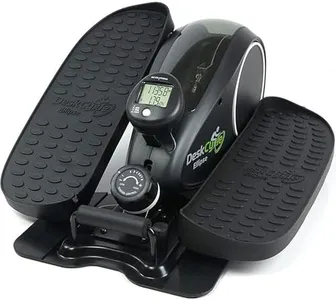
Related Products
Up to 12% off

Buying Guide for the Best Under Desk Bikes
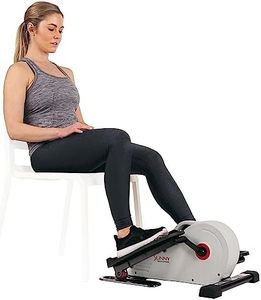
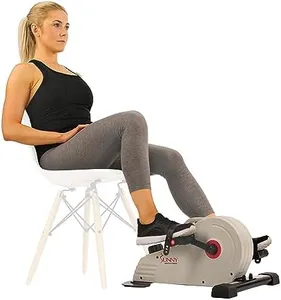
Choosing the right under-desk bike is all about matching the product to your daily habits, workspace, and personal fitness goals. These compact exercise machines let you subtly stay active while working or relaxing, making them a great fit for those with sedentary routines or limited space. When shopping for an under-desk bike, focus on the specs that influence comfort, performance, and usability. Clarifying how you plan to use it—whether for steady pedaling during long work sessions or for more intense bursts—will help you make the best choice.Size & DimensionsThe physical size is one of the first things to consider because it determines where you can use your under-desk bike. A compact model fits easily under most desks and is easier to store, making it suitable for smaller workspaces. Larger units might offer more stability but could be too big for some desks. Measure the space where you plan to use the bike (both legroom and under-desk height) and compare it to the product's dimensions to ensure a comfortable fit. If you have a tall desk and lots of legroom, a roomier bike could feel more stable, while tight spaces call for slim designs.
Pedal ResistancePedal resistance refers to how hard it is to turn the pedals, which impacts your workout intensity. Basic models may offer a few resistance levels—light resistance is suited for gentle movement while working, ideal for keeping circulation going. Higher resistance options can provide a more challenging workout for those wanting to break a sweat or build strength. Adjustable resistance lets you change your pedaling effort on the fly to match your energy or task—lower for typing, higher for focused exercise. If your goal is casual movement, stick to lower levels; for fitness gains, opt for more resistance variety.
Noise LevelThe noise produced by the pedals and internal mechanism can influence your comfort and office environment. Quieter bikes are essential for shared workspaces or if you plan to use the bike while on calls or meetings. Generally, magnetic resistance systems are the quietest, while mechanical or friction-based units might be a bit noisier. If silence is key, look for bikes that are specifically described as noiseless or ultra-quiet to avoid distractions.
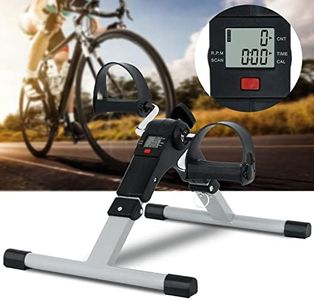
Pedal DesignPedal shape, size, and grip are key to comfort and safety. Wider pedals offer more support, especially if you plan to use the bike barefoot or with different footwear. Adjustable straps can stabilize your feet and prevent slipping. Some pedals are designed for hands as well as feet, letting you work out your arms, which is a bonus for those who want more versatility. Think about whether you prefer using shoes, slippers, or bare feet to guide your choice here.
Display & TrackingMany under-desk bikes include a small display that tracks metrics such as time, speed, calories burned, and distance. Basic models might only show one or two stats or cycle through them automatically, while more advanced options may store session history. If you’re motivated by numbers or aiming for fitness goals, a clear, easy-to-read display can help you track progress. Those who want a distraction-free experience or plan to use their own fitness trackers can opt for simpler units without digital displays.
Stability & WeightSince you’ll likely be using the bike while seated, stability is vital—it keeps the machine from sliding or tipping. Heavier units tend to stay put better, but they can be less portable. Look for solid rubber feet or anti-slip surfaces if you have smooth floors. If you need to move your bike between rooms regularly, check the unit’s weight and see if it has a carrying handle for easier transport. Choose a balance between sturdiness and portability based on your space and usage.