10 Best Under Tile Heating System
From leading brands and best sellers available on the web.By clicking on a link to a third party's website, log data is shared with that third party.
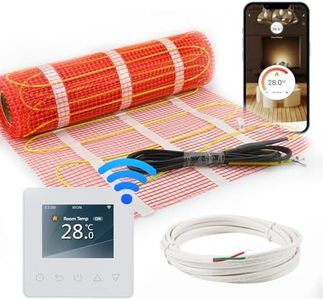
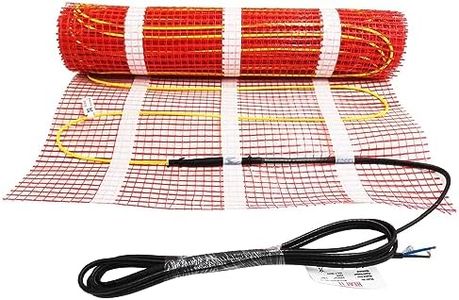
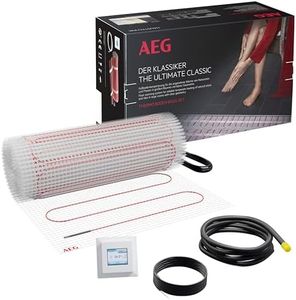
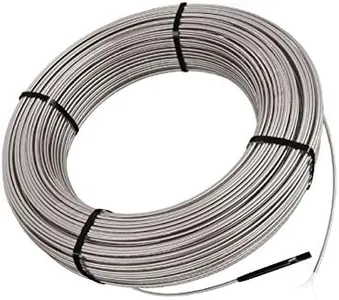
Related Products
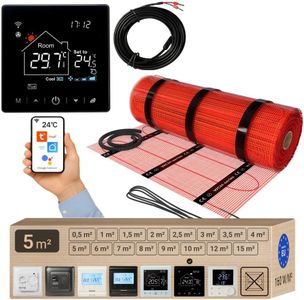
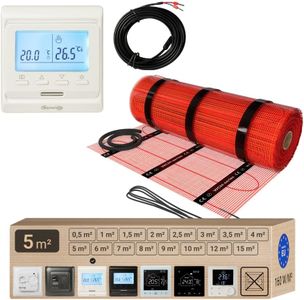
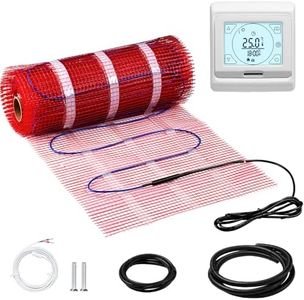
Buying Guide for the Best Under Tile Heating System
Choosing an under-tile heating system is about balancing comfort, energy efficiency, and installation ease. Under-tile heating provides a warm floor surface that can improve the overall comfort of your space, especially in bathrooms and kitchens. When picking the right system, it’s essential to understand how your floor type, intended use, and room size affect your decision. Carefully read product descriptions and consider your needs before selecting a heating system, as installation is often a long-term commitment.Heating Type (Electric vs. Hydronic)Under-tile heating systems come in two main types: electric (using wires or mats) and hydronic (using water-filled pipes). Electric systems are easier and quicker to install, making them popular for renovations and smaller rooms. Hydronic systems are more complex and usually suit larger areas or new builds, as they involve plumbing and a boiler or heat pump. Hydronic systems can be more cost-effective to run over time, but installation is more involved. Think about your room size, whether you’re renovating or building, and your long-term use to decide which type matches your needs.
Wattage OutputWattage output refers to how much heat the system can deliver, measured in watts per square meter (W/m²). Higher wattage heats the floor faster and is suitable for colder rooms or where the floor is the main heat source. Lower wattage is better for milder climates or when the system is just for comfort. Typical values range from about 100 to 200 W/m². Choosing the right wattage depends on your climate, insulation quality, and whether your heater is the only heating source or just a supplement.
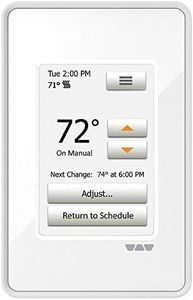
Control Options (Thermostat Type)Control options determine how you set and adjust the floor temperature. Basic systems have manual thermostats, letting you turn the system on or off and set a temperature. More advanced options include programmable or smart thermostats that let you create schedules or control heating via smartphone apps. Programmable thermostats help save energy and are ideal if you want different temperatures at different times of the day. If you value convenience and energy savings, look for a smart or programmable thermostat.
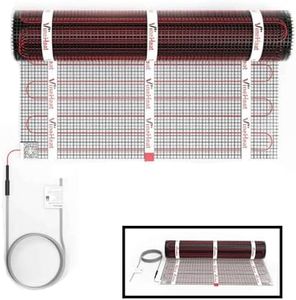
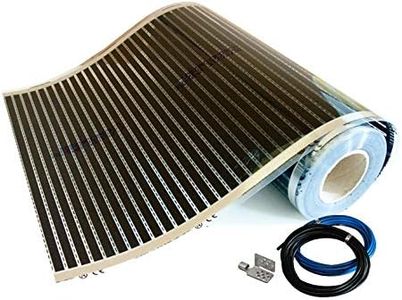
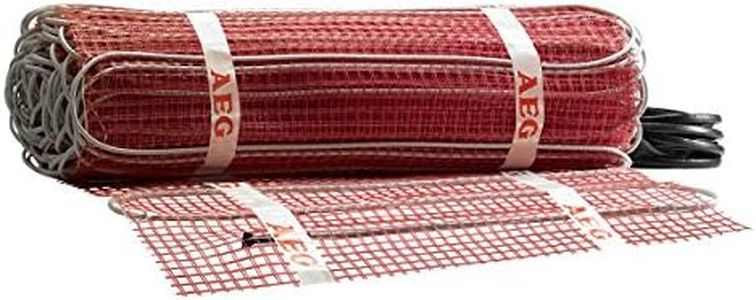
Installation Profile (Mat vs. Cable vs. Pipe)Electric systems come as mats (pre-spaced wires on a mesh), loose cables, or even foil sheets, while hydronic systems use pipes. Mat systems are quickest and easiest to install, great for regular-shaped rooms. Loose cables offer more flexibility in complex spaces but require careful layout. Hydronic pipes need a thicker installation profile and are best in new construction. Your room shape, subfloor height, and renovation status will guide you to the best option for you.
Floor Height IncreaseAll under-tile heating systems add some height to your floor. Mats and cables have low profiles (often under 5 mm), while hydronic pipes may require 20 mm or more. If you have constraints like existing doors or steps, a thinner system is preferable. Always measure available floor depth before deciding.
Compatibility With Flooring TypeNot all heating systems suit every floor covering. Most under-tile systems work well with ceramic, porcelain, or stone floors, but some can also be adapted for vinyl or laminate. Always check if the heating system is rated for your floor type; the wrong choice can damage either the floor or the system.
Energy EfficiencyEnergy efficiency depends on how well the system retains heat and how much is lost downward. Look for systems with good insulation, which helps to direct more heat upward for use. If reducing energy use is important to you, also ensure you add a layer of insulation under the heater as recommended.