7 Best Urinary Tract Cat Food
From leading brands and best sellers available on the web.By clicking on a link to a third party's website, log data is shared with that third party.

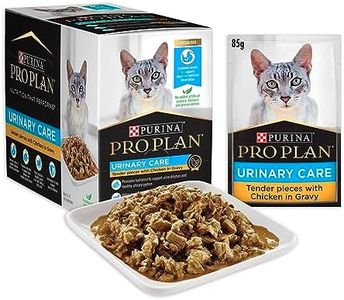
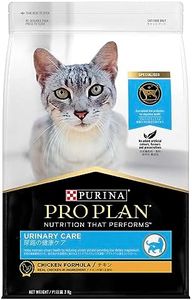
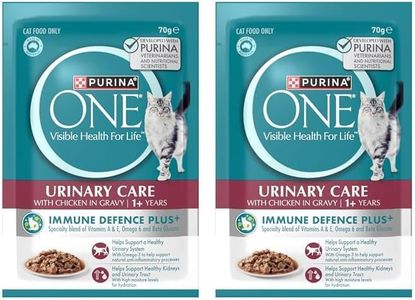

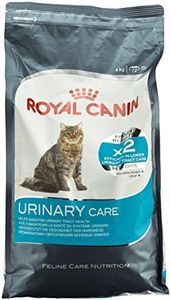

Buying Guide for the Best Urinary Tract Cat Food
When choosing cat food, especially if your cat has urinary tract concerns, it's important to focus on specific nutritional aspects that support their health. Urinary tract cat food is specially developed to help prevent or manage urinary problems such as crystals, stones, or infections. Your cat’s dietary needs, medical history, and lifestyle are key factors to consider—always discuss with your vet before switching foods. Knowing which specifications to prioritize ensures you select a formula that best supports your cat’s urinary health and overall well-being.Moisture ContentMoisture content refers to how much water is present in the food, which can directly impact your cat’s hydration. This is important because more water helps dilute urine and reduce the concentration of minerals that could form crystals or stones. Typically, wet (canned) foods have higher moisture content (upwards of 75%) while dry foods have much less (around 10%). For cats prone to urinary issues, higher moisture content is usually better. If your cat doesn't drink much water, or if your vet recommends it, consider a high-moisture (wet) food to help promote urinary health.
Mineral BalanceThis specification refers to the amounts of minerals such as magnesium, phosphorus, and calcium in the formula. High levels of these minerals can contribute to the formation of urinary crystals and stones. Products often label themselves as 'low magnesium' or 'low ash' to signal this. For cats with urinary concerns, look for foods with controlled or lower levels of these minerals. Read the nutritional label or ask your vet for recommended ranges based on your cat’s specific medical history.
pH ControlUrinary cat foods are designed to help keep your cat’s urine at an optimal pH—neither too alkaline nor too acidic. This is important because the wrong pH can promote the formation of certain types of stones (struvite or calcium oxalate). Foods for urinary health will say that they help maintain 'urinary health' or 'urinary tract health' and often have ingredients balanced to help control urine pH. If your cat has a medical condition diagnosed by your vet, such as a tendency to form certain stones, select a food specifically labeled to maintain the recommended urinary pH.
Protein Source and QualityProtein is a key nutrient for cats, but for those with urinary issues, the quality and digestibility of the protein is important. Highly digestible animal proteins are preferred, as they create less waste for the body to process, which may help maintain urinary tract health. When comparing options, look for food with real meat, poultry, or fish as the primary ingredient, as opposed to by-products or plant-based proteins. If your cat has other health issues, such as kidney disease, consult your vet for advice on the right protein level.
Added Functional IngredientsSome foods feature added ingredients like antioxidants, omega-3 fatty acids, and special fibers to support urinary and overall health. These can be beneficial by helping reduce inflammation, support the immune system, or encourage your cat to drink more water. While not all cats need extra supplements, if your vet recommends extra support or your cat is prone to repeated urinary problems, consider foods with these functional additions for a holistic approach.