We Use CookiesWe use cookies to enhance the security, performance,
functionality and for analytical and promotional activities. By continuing to browse this site you
are agreeing to our privacy policy
10 Best Vacuum Coffee Canister
From leading brands and best sellers available on the web.By clicking on a link to a third party's website, log data is shared with that third party.
Related Products
Up to 26% off
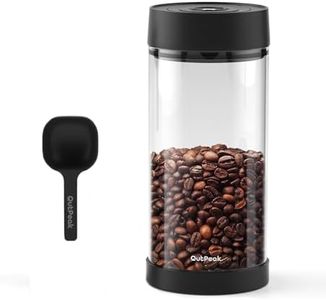
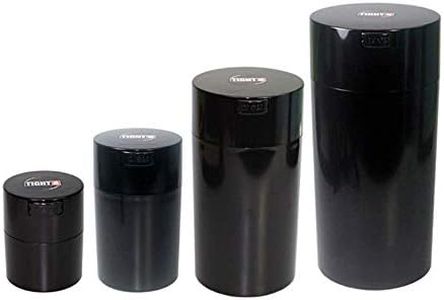
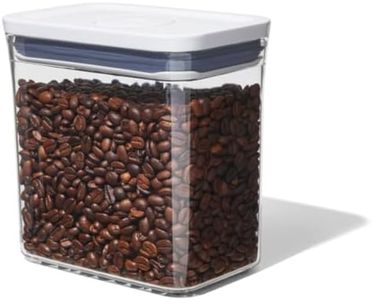
Recommended lists


Buying Guide for the Best Vacuum Coffee Canister
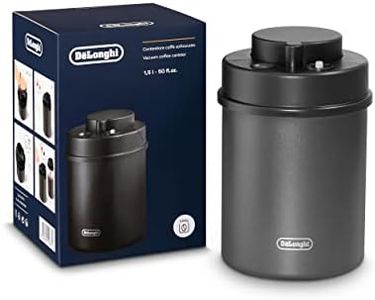
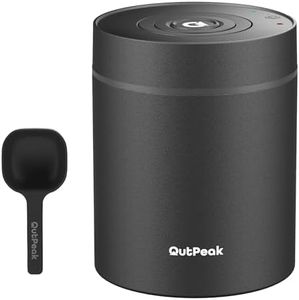
Choosing a vacuum coffee canister is all about keeping your coffee beans or grounds fresh for as long as possible. Coffee quickly loses its flavor and aroma when exposed to air, light, moisture, and heat. A well-chosen canister protects coffee from these enemies. Instead of picking the first container you see, it’s wise to consider certain features that will help preserve coffee quality, fit your routine, and look good in your kitchen.Vacuum Sealing MechanismThe vacuum sealing mechanism is what allows the canister to remove excess air after closing, which significantly slows down the coffee’s aging process. Some canisters use manual pumps, while others have built-in pumps that create a seal as you close the lid. Manual pumps might require a few seconds of effort each time, while automatic types are simpler but may be less portable. If you use coffee daily, a mechanism that’s quick and easy might be better, whereas occasional users may be fine with any version.
CapacityCapacity is how much coffee the canister can hold, usually listed in ounces or grams. Canisters range from small (200-300 grams, suitable for people who buy coffee in small batches or drink alone) to extra large (over 1 kg, for families or offices). Always match the canister size to your coffee buying and drinking habits. Using a canister that’s too large can leave extra air in it, reducing effectiveness, so it’s usually best to choose one that fits your usual coffee purchase with little empty space left.
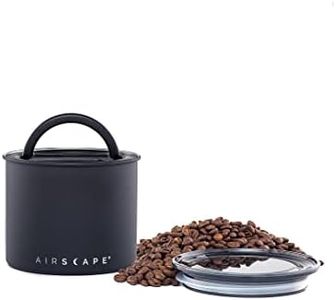
MaterialMaterials commonly used for these canisters are stainless steel, glass, or BPA-free plastics. Stainless steel is durable and blocks light, keeping beans darker and cooler. Glass looks appealing and lets you see the contents but can allow light exposure unless tinted or stored in a dark cupboard. Plastics are lightweight and versatile—just make sure they’re food safe. People who want maximum freshness often prefer stainless steel, while those paying attention to style might pick glass, but if you’re often on-the-go, plastic might be easier.
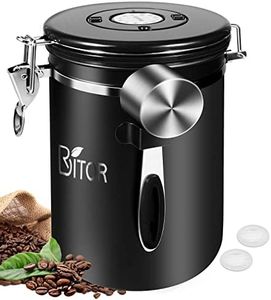
AirtightnessAirtightness refers to how well the canister keeps all air out after sealing, which is important to slow down staleness and protect flavor. Some canisters use additional silicone seals or locking lids for extra protection. You can judge airtightness by reading about the sealing method or checking if the canister has rubber gaskets or latches. If you live somewhere humid or want ultimate long-term freshness, extra features like double seals can help.
Ease of Use and CleaningEase of use means how simple it is to open, close, and operate the vacuum mechanism, as well as how easy it is to keep the canister clean. If you refill often or dislike fiddly lids, look for straightforward mechanisms. Dishwasher-safe models are a bonus for busy users, while some designs may require careful hand washing, especially with complicated vacuum parts. The best fit depends on your willingness to spend time cleaning and operating the canister every few days.
Size and DesignSize and design are about the canister’s external footprint and appearance in your kitchen. A compact canister might be better for smaller kitchens or travel, while larger, decorative ones could be a statement piece for your countertop. Some designs even have date trackers to help remind you when you stored or refilled the beans. Choose a design and size that fit your space, style, and reminds you to keep your coffee fresh.