10 Best Victrola Record Players
From leading brands and best sellers available on the web.By clicking on a link to a third party's website, log data is shared with that third party.
Related Products
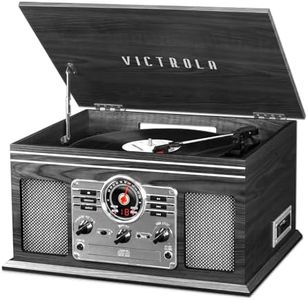
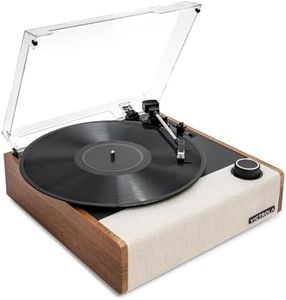
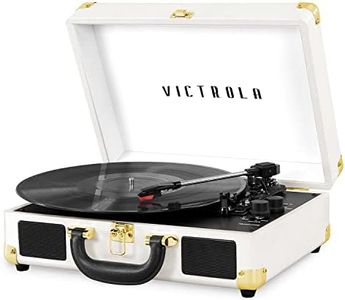
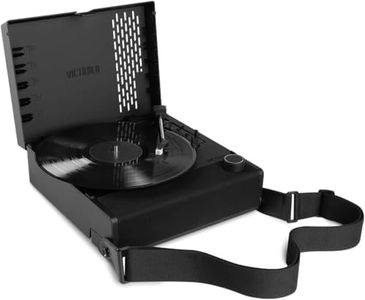
Buying Guide for the Best Victrola Record Players
Choosing the right record player can make a big difference in how you enjoy your vinyl collection. A good starting point is to think about where and how you plan to use the player, the audio experience you want, and your desire for convenience versus manual involvement. Whether you’re a new vinyl enthusiast or rekindling a love for analog music, knowing which features matter most will ensure you find a player that truly fits your needs.Drive Type (Belt Drive vs. Direct Drive)The drive type refers to how the platter is turned. Belt drive turntables use an elastic belt, providing quieter operation and less vibration, making them suitable for home listening and audiophiles who want clean sound. Direct drive models have the platter attached directly to the motor for quicker start-up and greater torque, preferred by DJs for scratching and mixing but they might deliver slightly more vibration noise. Consider how you plan to use your player: casual listening favors belt drive, while more interactive or performance use calls for direct drive.
Speakers (Built-In vs. External)Some record players have built-in speakers, making them compact and portable; these are great for easy setup and play in any room without needing extra equipment. However, built-in speakers often don’t deliver the best sound quality. External speakers require you to connect through cables or Bluetooth, but they usually give louder and clearer audio. If you value convenience and portability, built-in is fine, but if sound quality is your priority, look for models that support external speakers.
Playback SpeedsRecord players can spin at different speeds, the most common being 33 1/3, 45, or 78 revolutions per minute (RPM), which correspond to different types of vinyl records. A player that supports multiple speeds lets you play a wider variety of records. If you have or plan to collect records of various ages and types, make sure your player can handle the necessary speeds. If you only want to play modern LPs, a player with just 33 1/3 and 45 RPM may be enough.
Portability and DesignModern record players can be bulky and stationary or lightweight and designed to take on the go. Some come in suitcase-style cases with handles for easy transport, making them perfect for moving between rooms or taking to events. Think about where you’ll use your player most often: stationary models are better for a dedicated listening spot, while portable ones are ideal for a more flexible lifestyle.
Connectivity Options (Bluetooth, AUX, RCA Out)Connectivity options allow you to play your records through different audio systems or even stream your music wirelessly. Bluetooth lets you pair the player with wireless speakers or headphones; AUX and RCA outputs let you connect to traditional wired speakers and amplifiers. The right choice depends on your existing equipment and how you like to listen: if you want wireless convenience or to connect to newer devices, Bluetooth is useful; for using traditional hi-fi equipment, look for AUX/RCA outputs.
Auto-Stop and Auto-Return FunctionsAuto-stop and auto-return are features that help protect your records and simplify use. Auto-stop means the platter stops spinning when the record ends, so you don’t have to worry about the needle wearing out your records. Auto-return lifts and returns the tonearm automatically when playback is done. These features are ideal for beginners or for anyone who likes a more effortless listening experience, while some traditionalists prefer to do things manually for a more hands-on feel.