10 Best Walker Ear Muffs
From leading brands and best sellers available on the web.By clicking on a link to a third party's website, log data is shared with that third party.
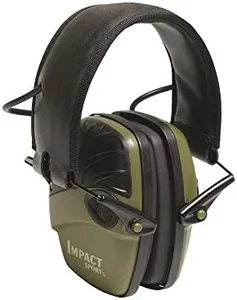


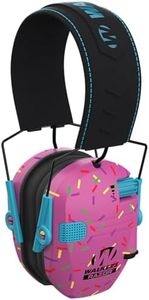
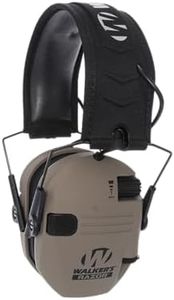
Related Products
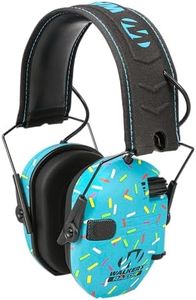

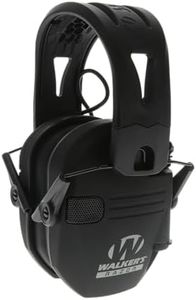
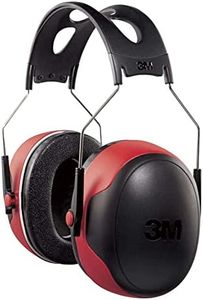
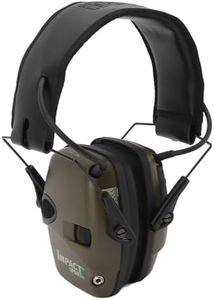


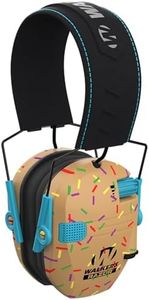
Buying Guide for the Best Walker Ear Muffs
Choosing the right ear muffs is important for ensuring your ears are protected from loud noises, whether you’re at the shooting range, working in a noisy environment, or simply want to block out background noise. The right pair will balance comfort, effectiveness, and features suited to your needs. Start by thinking about the situations where you’ll use the ear muffs most. Are you aiming for maximum noise reduction, or do you need to stay aware of your surroundings? Consider comfort for long wear and portability if you’ll take them on the go. By understanding the key specifications, you can choose ear muffs that make your experience safe and comfortable.Noise Reduction Rating (NRR)Noise Reduction Rating, often shortened to NRR, tells you how much noise the ear muffs can block out, measured in decibels (dB). This is important because it gives you a clear idea of how effective the ear muffs will be at protecting your ears from loud or harmful sounds. NRR values usually range from low (around 20 dB) to high (over 30 dB). If you plan to use ear muffs in very loud environments like shooting ranges or construction sites, a higher NRR is better. For moderate noise or casual use, a lower NRR can be sufficient and often more comfortable for longer wear. Choose the NRR based on how much noise protection you truly need for your typical situation.
Type (Passive vs. Electronic)Ear muffs come in two main types: passive and electronic. Passive ear muffs simply block noise using the physical materials they’re made of, and are very straightforward to use. Electronic ear muffs, on the other hand, have built-in microphones and speakers that automatically adjust the sound level: they let you hear normal conversations or range instructions while still blocking sudden loud noises. Passive models are best for simple, consistent noise-blocking during activities like mowing the lawn, while electronic models are handy when you need both protection and the ability to hear what's going on around you safely. Pick the type that matches how much interaction or awareness you need while wearing them.
Comfort and FitComfort and fit refer to how the ear muffs feel when you wear them and how well they cover your ears. This is important because if they’re uncomfortable, you might not wear them as much as needed, and a good fit ensures proper noise protection. Features like cushioned ear cups, adjustable headbands, and overall weight all play a role. Lighter and well-cushioned ear muffs are typically better for long periods of use, while adjustable headbands help you find the perfect fit for your head size. Consider how long you’ll wear them at a time and whether you have glasses or other gear that might affect the fit.
Foldability and PortabilityFoldability and portability describe how easy it is to store and carry your ear muffs. If you’ll travel with your ear muffs or need to store them in a tight space, look for models that can fold into a more compact form. Non-folding ear muffs are generally sturdier but can be bulky for transport. Foldable designs are best if you want the convenience of easy packing, especially for on-the-go use or tossing them into a range bag or toolbox.
Battery Life (for Electronic Models)Battery life is a key consideration if you’re looking at electronic ear muffs. It tells you how long the electronic features, like amplification and noise compression, will work before you need to recharge or replace batteries. Some models use standard batteries, while others have built-in rechargeable batteries. If you plan on using these features for long sessions, opt for ear muffs with longer battery life to avoid interruptions. Check what type of batteries the model uses and consider how easy it will be for you to keep them powered up.
Additional Features (AUX Input, Bluetooth, etc.)Some ear muffs, especially electronic ones, offer extra features like an AUX input for music or two-way radios, built-in Bluetooth, or volume controls. These extras can add convenience and enjoyment if you want to listen to music or stay connected while you protect your ears. If you’re looking for basic protection, skip these, but if you spend long hours wearing ear muffs or want added versatility, these features may enhance your experience. Think about how likely you are to use these extras in your daily routine.