10 Best Walleye Spinning Reels
From leading brands and best sellers available on the web.By clicking on a link to a third party's website, log data is shared with that third party.
Related Products


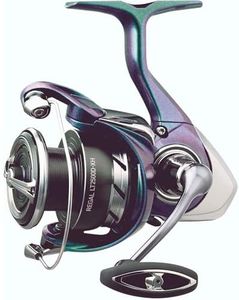

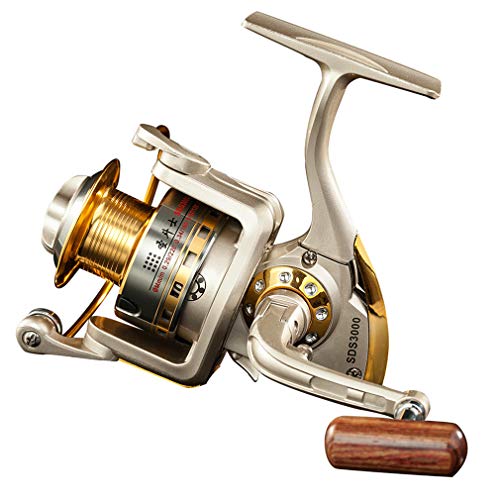
Buying Guide for the Best Walleye Spinning Reels
When choosing a spinning reel for walleye fishing, it's important to find a model that matches your fishing style, location, and skill level. Walleye are known for their elusive bites, so having a spinning reel that is both sensitive and reliable can make your experience more enjoyable and successful. Understanding the key specifications will help you narrow down the options and ensure that your new reel enhances your time on the water.Reel SizeReel size tells you how much fishing line the reel can hold and how heavy the line should be. Usually, reel sizes for walleye fall between 2000 and 3000. Smaller reels (around 2000) are lighter and great for finesse techniques and lighter lines, making them ideal if you're fishing from a boat or using lighter lures. Medium sizes (2500-3000) offer more versatility and can handle a wider variety of line strengths and presentations. If you're new to walleye fishing, a medium size is often the best all-around choice to cover most situations.
Gear RatioThe gear ratio tells you how many times the spool rotates with each turn of the handle. A lower gear ratio (like 5.1:1) means more power and slower line retrieval, which is useful for working slow presentations often used in walleye fishing. Higher ratios (above 6.0:1) retrieve line faster, which can be helpful when using reaction baits or needing to bring in slack quickly. For most walleye techniques, a moderate gear ratio (around 5.2:1 to 6.0:1) provides a good balance of speed and power.
Drag SystemThe drag system controls how much resistance the fish feels when it pulls on the line. Smooth and adjustable drag is very important because walleye often nibble and make sudden runs. Drag systems are often described as front or rear; front drag systems are usually more robust and precise. Look for a drag system that operates smoothly throughout its range so you can protect lighter lines and better handle hard-fighting fish. Test the drag by how steadily the line pulls out—no jerks or snags.
Ball BearingsBall bearings help the reel move smoothly and last longer. More ball bearings usually mean smoother operation, but quality matters more than quantity. Most good reels have between 4 and 7 bearings. For walleye, a reel with about 5 to 6 quality bearings is more than enough to ensure a smooth experience and reduce the chances of mechanical problems over time.
Line CapacityLine capacity tells you how much and what type of line (measured in yards and pounds) the reel can hold. For walleye, you often use 6-10 pound test line, so choose a reel that can comfortably hold at least 100 yards of your preferred line strength. If you fish in larger lakes or deeper waters, leaning towards slightly higher capacity can be helpful. Always match line capacity to your typical fishing environment and technique.
WeightThe weight of the reel affects your comfort and endurance, especially during long fishing days. Lighter reels reduce arm fatigue and are easier to handle for precise jigging or casting. However, they still need to be strong enough to handle the fish. If you often fish for extended periods or prefer finesse techniques, prioritize a lightweight design without sacrificing durability.