10 Best Warm Sheets For Winter
From leading brands and best sellers available on the web.By clicking on a link to a third party's website, log data is shared with that third party.

Related Products


Buying Guide for the Best Warm Sheets For Winter
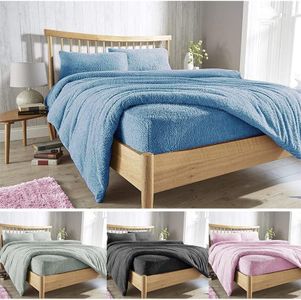
Selecting the right warm sheets for winter can make a big difference in your comfort and sleep quality during the colder months. The best sheets for winter are those that feel cozy, retain warmth, and suit your personal preferences regarding feel and breathability. While it can be tempting to pick the thickest or most luxurious-looking set, it’s important to understand which sheet characteristics matter most for warmth and comfort. Focusing on key factors like fabric type, weave, weight, and overall feel will help you find sheets that meet your needs and make chilly nights more enjoyable.Fabric TypeFabric type refers to the material the sheets are made from, and this is crucial for winter warmth. Popular options include flannel, fleece, cotton, microfiber, and bamboo blends. Flannel is renowned for its heat retention and soft, slightly fuzzy feel, making it a classic winter choice. Fleece is even warmer and cozier, often favored by those who want a plush texture. Cotton, especially if densely woven, can also be warm but tends to be more breathable. Microfiber is lightweight yet traps warmth well. To choose the right one for you, consider how much warmth you need and whether you prefer a soft, brushed feel (like flannel or fleece) or something smoother and more breathable (like cotton).
WeaveThe weave of the sheets determines how the fibers are put together and affects warmth, softness, and durability. Common winter weaves include flannel (which is usually napped or brushed to create a fuzzy surface), jersey (which feels like a soft T-shirt), and percale or sateen (tighter or looser weaves of cotton). For winter, napped or brushed weaves in flannel or fleece create an insulating layer that traps body heat. Jersey knit offers a stretchy, cozy option that's a bit lighter. Choosing the right weave depends on whether you want maximum warmth and coziness (go for napped or brushed weaves) or prefer something a bit lighter and more breathable for milder winters (jersey or regular cotton weave).
GSM / WeightGSM (grams per square meter) or weight describes how heavy and dense the fabric is, which directly impacts warmth. Heavier sheets (indicated by higher GSM numbers) generally provide more insulation and feel thicker, making them ideal for very cold climates. Lighter sheets (with lower GSM) retain less heat and offer less bulk, better for those who get warm at night or live in milder regions. You should select a GSM or weight that matches how cold your bedroom gets at night and your personal preference for heaviness: higher GSM for cold and drafty rooms, lighter for moderate temperatures or if you sleep warm.
Fit and SizeThe fit and size of your sheets matter because ill-fitting sheets can let cold air in around the edges of your mattress, making you less comfortable. Deep pocket sheets are useful for thick mattresses or mattresses with toppers. Regular fitted sheets are suitable for standard mattress heights. Always check the measurements to ensure the sheets will stay snug and not slip off at night, which helps maintain warmth.
Hypoallergenic and BreathabilitySome people are sensitive to allergens that can accumulate in bedding, so hypoallergenic sheets can be important for winter when homes are sealed against the cold. Materials like tightly woven cotton or certain synthetics resist dust mites and pet dander. Breathability is also worth considering—even in winter—if you tend to overheat or sweat at night. In this case, choose natural fibers with a moderate weight that balance warmth and moisture-wicking, ensuring you stay cozy but not clammy.
Ease of CareEase of care refers to how simple it is to wash and maintain your sheets over time. Winter sheets should be easy to clean, able to withstand frequent washing without pilling or losing softness. Flannel and microfiber are usually machine washable, but some require gentle cycles or avoid high heat drying. If you prefer low-maintenance bedding, check for sheets that are fast-drying and won’t shrink or lose their texture with repeated laundering.