We Use CookiesWe use cookies to enhance the security, performance,
functionality and for analytical and promotional activities. By continuing to browse this site you
are agreeing to our privacy policy
10 Best Weed Barrier Fabrics
From leading brands and best sellers available on the web.By clicking on a link to a third party's website, log data is shared with that third party.
Related Products
Up to 20% off
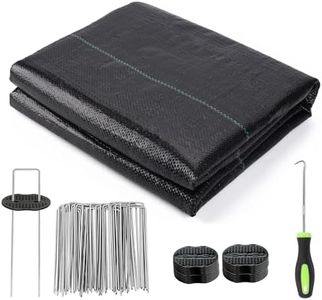
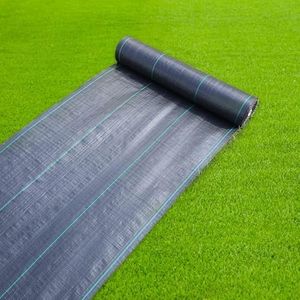
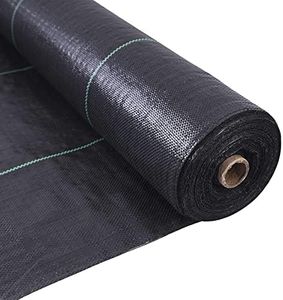
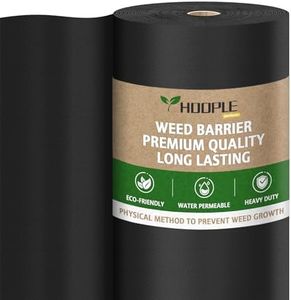
Buying Guide for the Best Weed Barrier Fabrics
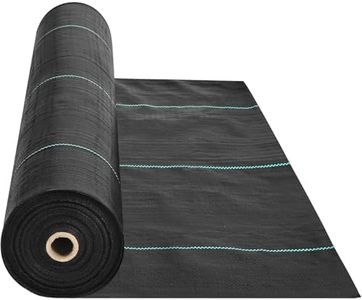
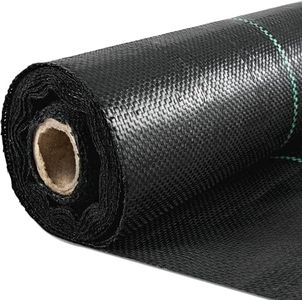
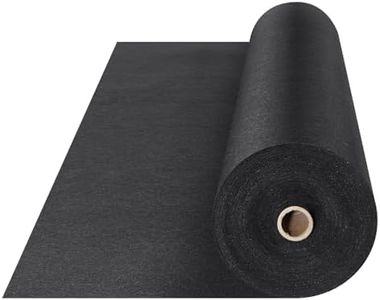
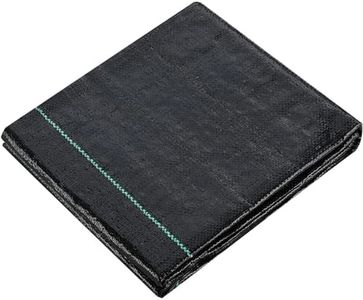
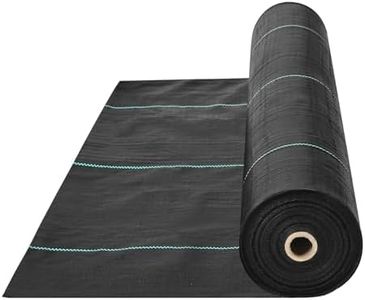
Choosing the right weed barrier fabric can make a big difference in your gardening or landscaping project. A good fabric blocks weeds but still allows water, air, and nutrients to reach your plants’ roots. To find the best fit for your needs, it's important to understand the main features and specifications that set different weed barrier fabrics apart. By looking closely at these features, you can select a fabric that balances durability, permeability, and ease of use for your unique situation.Material TypeWeed barrier fabrics are typically made from either woven or non-woven materials. Woven types are made from tightly interlaced synthetic fibers, which offer strength and durability and are often used in heavy-duty applications like under gravel or for long-term beds. Non-woven fabrics, on the other hand, have a felt-like texture and are lighter and easier to cut, generally preferred for flower beds or gardens where moderate weed control is needed. Your choice should depend on how tough you need the fabric to be and the kinds of plants or pathways you are working with.
ThicknessThickness is a key factor in a fabric's durability and performance, often measured in mils or ounces per square yard. Thicker fabrics are generally more durable and give better weed control, making them suitable for high-traffic or high-weed areas. Thinner options are lighter, easier to handle, and better suited for annual beds or where you'll be changing things frequently. Consider your garden's pressure points—like foot traffic or persistent weeds—to decide if you need a thicker or thinner barrier.
PermeabilityPermeability is how well water and air can pass through the fabric. A good weed barrier lets rain and nutrients reach plant roots without letting weeds break through. Some fabrics are more breathable, which is crucial for the health of plants, especially in wetter climates. If you have plants that need a lot of water or you live in an area with heavy rainfall, look for higher permeability. For arid or dry settings, moderate permeability may be enough.
UV ResistanceUV resistance refers to the fabric's ability to withstand sunlight exposure without breaking down. Fabrics with added UV protection are important if your barrier will be exposed to direct sunlight for long stretches, as it can extend the lifespan of the fabric and prevent it from becoming brittle. If the barrier is going to be covered with mulch or gravel, UV resistance isn’t as critical, but for exposed areas, it’s an important factor.
Ease of InstallationEase of installation can make your project much smoother. Some fabrics are stiffer and harder to cut, while others are soft and easy to maneuver. If you're covering a large or oddly shaped area, a fabric that cuts easily and lays flat is preferable. Consider the size and complexity of your job to choose a fabric that will be manageable for you to work with.
LongevityLongevity measures how long the fabric will last before needing replacement. Some fabrics are rated for a few seasons, while heavy-duty options can last many years. The lifespan you need depends on whether your project is permanent or temporary—use long-lasting fabric for permanent beds, and lightweight, short-lived fabric for temporary projects or for beds that change every year.