7 Best Weighted Blankets For Toddlers
From leading brands and best sellers available on the web.By clicking on a link to a third party's website, log data is shared with that third party.


Buying Guide for the Best Weighted Blankets For Toddlers
Choosing the right weighted blanket for your toddler is all about comfort, safety, and suitability for their individual needs. Weighted blankets can help some toddlers feel secure and calm, but it's important to pick one that's appropriately sized and safe for young children. When evaluating options, pay attention to safety certifications, consult your pediatrician if you're unsure, and consider your child's preferences for fabric and sleep temperature. With weighted blankets for toddlers, less is often more—aim to find a blanket that soothes without overwhelming.Blanket WeightBlanket weight refers to how heavy the blanket is. This is the most crucial aspect for weighted blankets, especially for toddlers. The weight should generally be around 10% of your child’s body weight, sometimes adding or subtracting a pound. Too heavy, and it could be unsafe; too light, and it might not provide the intended calming effect. If your toddler is 30 pounds, you’d look for a 3–4 pound blanket. When picking, consider your child's current weight and avoid going over the recommended 10% guideline, as this can make it hard for them to move underneath the blanket comfortably.
Blanket SizeThe size of the blanket affects how well it covers your toddler and how safely it can be handled. Toddler-sized weighted blankets are smaller than those for adults and should fit comfortably on your child's bed without hanging over the sides. Oversized blankets may bunch up or become a tangling hazard at night. When choosing, pick a blanket that covers your child from shoulders to feet but doesn’t drape over the bed. This helps maintain a consistent weight distribution and reduces risks during sleep.
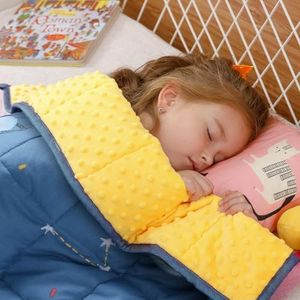
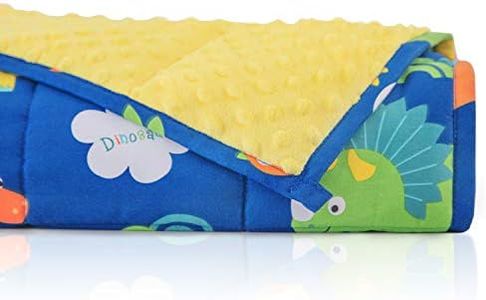
Material and Fabric TypeThe material of the blanket influences both comfort and breathability. Weighted blankets often come in cotton, minky (soft plush), or bamboo fabrics. Natural fibers like cotton and bamboo are breathable and suitable for warmer climates or children who sleep hot, while plush or fleece can be warmer and cozier for cooler rooms. When selecting a material, consider whether your toddler runs hot or cold at night and whether they have skin sensitivities or strong texture preferences.
Fill TypeWeighted blankets are filled with materials that provide heft, such as glass beads or plastic pellets. Glass beads are typically smoother and create a quieter, thinner blanket, which some toddlers may find more comfortable. Plastic pellets can make the blanket a bit bulkier and may be noisier when shifting. Think about your toddler's sensitivity to texture and sound while picking the fill type, especially if they are easily disturbed during sleep.
WashabilityToddlers are prone to spills, accidents, and messes, so having a weighted blanket that is easy to clean is important. Some blankets come with removable, machine-washable covers, while others can be washed whole depending on the weight. Consider your need for frequent washing and your washing machine’s capacity. A removable cover might be best for ease of cleaning, while a whole-blanket wash may be preferable if you want to keep things simple.
Safety CertificationsFor toddlers, it's essential that the weighted blanket meets safety regulations and standards, like being free of harmful chemicals or choking hazards. Check for certifications such as Oeko-Tex or similar standards that assure non-toxic materials and safe construction. When selecting, always verify that the blanket’s seams are strong and that the fill is securely contained, lowering any risk of leaks. Your child's health and safety should always be the guiding point.