10 Best Wetsuit Tops
From leading brands and best sellers available on the web.By clicking on a link to a third party's website, log data is shared with that third party.


Related Products
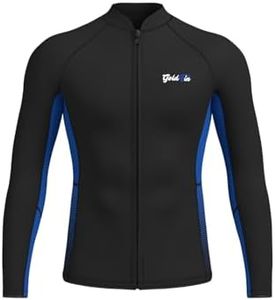


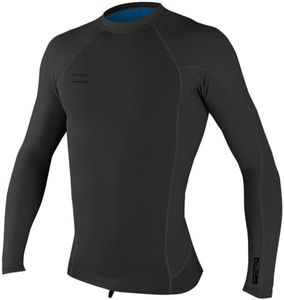


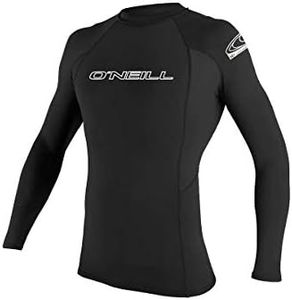
Buying Guide for the Best Wetsuit Tops
Choosing the right wetsuit top is an important step for anyone interested in watersports like surfing, paddleboarding, snorkeling, or swimming in cooler water. The main purpose of a wetsuit top is to provide warmth and protection without the bulk of a full wetsuit. Since wetsuit tops come in various types, thicknesses, and features, understanding what matters most to you—such as the water temperature you’ll be in, how much freedom of movement you need, and how often you’ll use it—can help you make an informed decision.MaterialWetsuit tops are typically made from neoprene, a stretchy synthetic rubber that provides insulation and flexibility. The quality of neoprene can range from basic to premium, with higher-end materials being softer, stretchier, and more comfortable against the skin. If you'll use your top for more active sports, a stretchier, softer neoprene is better for unrestricted movement. If durability is a bigger concern for your activity, you may opt for a slightly stiffer, more robust material.
ThicknessThe thickness of a wetsuit top is measured in millimeters and determines how warm it will keep you. Usually, thickness ranges from 0.5mm for warm waters to 2mm or even 3mm for cooler waters. For tropical, warm-weather use, go with thinner tops (0.5mm to 1mm), which feel almost like a second skin and are light and flexible. For cooler water or windy conditions, a thicker top (2-3mm) provides better insulation. Think about the water temperatures and choose accordingly—a thicker top is not always better if it makes you overheat or limits your movement.
FitA proper fit is crucial for a wetsuit top to work as intended. It should be snug to prevent water from constantly flushing through, which would reduce warmth, but not so tight that it restricts breathing or movement. Try to find a balance—a top that hugs your body but still feels comfortable when you move your arms or twist your torso. Consider your body shape and size, and if you’re between sizes, remember that wetsuit tops should become slightly looser when wet.
Sleeve LengthWetsuit tops are available with short sleeves, long sleeves, or even sleeveless. Long sleeves provide extra warmth and more protection from sun and abrasions but may feel warmer and less free in the arms. Short sleeves offer a compromise—some coverage and protection while keeping arms mostly free. Sleeveless tops are best for maximum movement and are usually chosen for very warm conditions. Choose sleeve length based on your comfort, protection needs, and typical water temperatures.
Seam ConstructionSeam construction affects both comfort and how well the top keeps out water. Flatlock stitching is common in thin or summer wetsuit tops; it’s durable and comfortable but not entirely watertight, so it’s best for warm conditions. Sealed seams (like glued and blindstitched, or even taped seams) are more watertight and found in tops for cooler water. Consider if you want your wetsuit top to be more protective against cold water, then look for seam types that limit water entry.
Entry StyleThere are different ways to put on a wetsuit top such as pullover, front zip, or back zip designs. Pullover tops are simple and flexible but may be harder to get on or off. Zip tops, especially those with a front zip, are easier to put on and provide additional ventilation if needed. Your choice depends on how much ease you want when dressing, and whether you like possible venting with a zipper.
Extra FeaturesSome wetsuit tops come with features like boardshort connectors, key pockets, or UV-resistant coatings. Boardshort connectors keep the top from riding up during activity, while key pockets provide somewhere to stash small items. UV resistance helps if sun protection is a priority. Think about what features might make your experience better based on how and where you’ll be using the top.