10 Best Wheel And Rim Cleaners
From leading brands and best sellers available on the web.By clicking on a link to a third party's website, log data is shared with that third party.
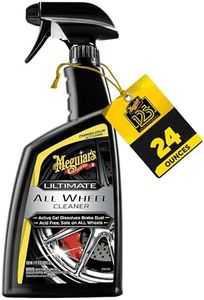
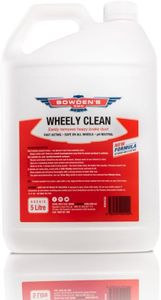
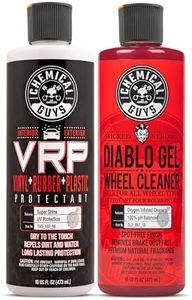
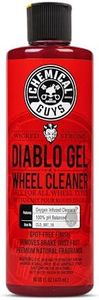
Related Products
Up to 19% off


Buying Guide for the Best Wheel And Rim Cleaners
Choosing the right wheel and rim cleaner can make maintenance of your vehicle much easier, ensuring your wheels stay shiny and in good condition. Since wheels often collect brake dust, road grime, and stubborn dirt, a good cleaner not only helps with appearance but also preserves the finish and longevity of your wheels. When picking a cleaner, matching it to your typical usage, your wheels’ material, and your preferred cleaning routine will yield the best results.Wheel Material CompatibilityWheel material compatibility refers to whether the cleaner is safe to use on specific types of wheels, such as alloy, chrome, steel, painted, or clear-coated rims. This is important because some cleaners, especially those that are acidic, can damage sensitive or specialty finishes. Generally, cleaners may be marked as 'safe for all wheels' or specify which materials are compatible. If you have factory-finished alloy wheels, you can usually use most mainstream products, but for custom or delicate finishes like polished aluminum or anodized wheels, look for cleaners that are clearly labeled as safe for those exact types. Consider your wheel’s finish—if you’re unsure, play it safe with a pH-balanced, non-acidic cleaner.
Cleaner Type (Acidic vs. Non-Acidic)The type of cleaner—acidic or non-acidic—determines its cleaning strength and potential risk to your wheels. Acidic cleaners work fast and tackle heavy brake dust and stubborn grime, making them attractive for deep cleaning sessions, but they can be harsh and may damage sensitive finishes or corrode certain metals. Non-acidic or pH-balanced cleaners are much safer for regular use and work well for most people with routine dirt and moderate brake dust. If you clean your wheels frequently or have sensitive finishes, non-acidic is the safer choice; if you rarely clean or have tough buildup, you might consider careful use of acidic cleaners, but always check compatibility first.
Application Method (Spray, Gel, Foam)Wheel cleaners come in different forms such as sprays, gels, or foams, each affecting how the product is applied and stays on the wheel. Sprays are convenient and fast to use, making them good for routine cleaning. Gels tend to cling better to vertical and uneven surfaces, allowing the cleaner to work longer on stubborn grime—great for wheels that get extra dirty. Foams expand to cover more area and can help lift dirt. If you want a fast, regular clean, opt for sprays; if you struggle with stuck-on grime, try a gel or foam.
Strength and Cleaning PowerCleaning strength indicates how easily and effectively the product removes dirt, brake dust, and road grime. Strong cleaners may work faster or require less scrubbing, but could be harsher on finishes. Light-duty cleaners are gentle but might require more effort or repeated applications for heavy buildup. Assess the typical state of your wheels: if you drive in dirty conditions or leave cleaning for months, a high-strength cleaner is helpful. If you clean regularly and your wheels don’t get very dirty, a mild or moderate cleaner usually suffices.
Residue and Finish ProtectionSome wheel cleaners leave a residue or offer extra protection like water beading or a protective layer. This can help keep wheels cleaner for longer and makes future cleaning easier. However, some residue can attract dust if not rinsed well. If you value a just-cleaned look with added protection, look for cleaners with these benefits. If you want a plain, residue-free finish, choose a product that promises no aftereffects.
Scent and Fume LevelsThe smell and fume level of wheel cleaners can impact your comfort and usability, especially if you are sensitive to strong chemical smells or often clean wheels in closed spaces like garages. Stronger cleaners may emit more intense odors or fumes, while milder or 'eco' versions are less offensive. If you are sensitive to odors or often clean indoors, choose a product labeled as low-odor or with a pleasant scent.