6 Best Whitewater Kayak Life Jackets
From leading brands and best sellers available on the web.By clicking on a link to a third party's website, log data is shared with that third party.
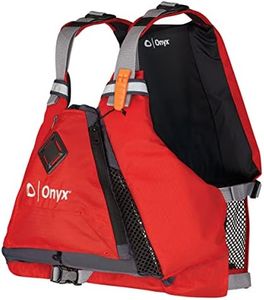
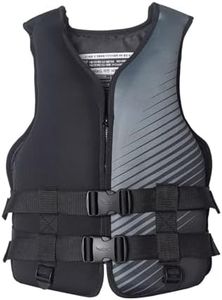
Buying Guide for the Best Whitewater Kayak Life Jackets
When choosing a life jacket for whitewater kayaking, your safety on fast-moving water is the top priority. The right vest will help keep you afloat, allow freedom of movement for paddling, and should be comfortable enough for hours of wear. It's important to look beyond just the looks—focus on fit, buoyancy, and features that suit your style of kayaking and your body type. Taking the time to understand the main specifications will help you find one that keeps you safe and happy on the river.BuoyancyBuoyancy refers to how much flotation the life jacket provides, usually measured in pounds or kilograms. This is crucial because it's what keeps you above water if you tip over or fall out of your kayak. Generally, a whitewater life jacket should offer enough buoyancy for your weight and the type of water you'll be paddling. Standard adult jackets offer about 15-22 pounds of flotation, which is sufficient for most people and conditions. If you’re larger or paddling in very rough or cold water, choosing a vest with higher buoyancy gives extra peace of mind. Always check the guidelines for your weight, but remember comfort and mobility are just as important as pure flotation.
Fit and AdjustabilityFit describes how the life jacket sits on your body and how well it can be adjusted to stay secure, even if you’re moving around a lot. A good fit is vital for safety: a jacket that is too loose can slip off, while one that's too tight will be uncomfortable and restrict movement. Most jackets come in unisex or men’s/women’s versions and have multiple straps to tighten around the waist, shoulders, and chest. Try to find a vest that hugs your upper body snugly, lets you move your arms freely, and doesn’t ride up when you’re in the water. To choose the best one, try them on while sitting and simulating paddling motions, or look for models known for adjustability if you have a unique body shape.
Type of Life Jacket (PFD Type)Life jackets are rated by type, with most whitewater kayaking vests falling under the Type III (or sometimes Type V in certain designs or with rescue features) Personal Flotation Device category. Type III offers good mobility for paddling and is designed to keep conscious users afloat in calm or rough water, but not in extreme offshore situations. Discover which type matches your paddling environment—Type III is suitable for most whitewater trips, while Type V may be useful for experts needing special features like rescue harnesses. Pick the type that aligns with your skill level and the demands of your river adventures.
Mobility and CutMobility and cut relate to how the life jacket is designed to let your arms and shoulders move freely. Whitewater jackets often have large armholes, thinner or shorter fronts, and flexible panels for easier paddling and comfort. People who kayak in rougher water or want to do advanced maneuvers benefit from a high-mobility vest, while beginners may prefer a slightly bulkier model for reassurance. Choose a cut that matches your activities; if you’re planning technical maneuvers or longer days on the water, prioritize comfort and freedom of movement in your selection.
Storage and Rescue FeaturesMany whitewater life jackets include pockets for snacks, safety gear, or a whistle, and some advanced models add attachment points for knives, tow belts, or even integrated rescue harnesses. If you paddle on rivers where you might need to help others or perform self-rescue, look for these added features. For simple recreational use, a couple of small pockets might be enough. Decide what features you actually need for your kayaking trips—overloading on extras may add bulk or complexity, so pick what matches your experience and typical river scenarios.
Materials and ConstructionThe materials and build quality of your life jacket contribute to durability and comfort. Most modern vests use strong nylon or polyester fabric with foam inserts for flotation. Higher-quality materials resist wear from rocks or sun, dry faster, and feel lighter. Look for even stitching, reinforced seams, and smooth edges to avoid chafing. Match your choice to the frequency and intensity of your trips—durable materials are best for regular or challenging use, while lightweight and soft fabrics suit those looking for maximum comfort on easy rivers.