10 Best Wifi Heaters
From leading brands and best sellers available on the web.By clicking on a link to a third party's website, log data is shared with that third party.
Related Products
Up to 8% off

Buying Guide for the Best Wifi Heaters
When shopping for a WiFi-enabled heater, it's important to look beyond just the smart features. While remote control and automation are convenient, making sure the heater fits your space, heating needs, and personal preferences will ensure you get the most comfortable and efficient experience. Focus on how large of an area you need to heat, what kind of energy usage you are comfortable with, and how you expect to interact with the heater (through an app, voice assistant, or scheduling). Recognize that each spec can affect your day-to-day usage, your comfort, and even your safety.Heating Capacity (Wattage or BTU)Heating capacity determines how much warmth the heater can produce, usually measured in watts or BTUs (British Thermal Units). It is important because picking a heater that is too weak means your room won't get warm enough, while one that is too powerful may waste energy and overheat the space. Smaller rooms (like bedrooms or offices) generally need heaters with lower wattage (around 500-1000 watts), while larger areas (like living rooms) may require 1500 watts or more. To pick the right one, consider the size of your space—note the room's square footage and check the manufacturer's suggested coverage area.
WiFi Compatibility and App QualityWiFi compatibility lets you control the heater remotely using your smartphone or sometimes even with voice commands via smart home assistants. This is important if you want convenience, scheduling, or the ability to adjust temperature when away from home. Some heaters only support basic on/off functions, but others allow you to set detailed schedules and temperature settings. Look for options that support your preferred smart home ecosystem and read up on how easy the app is to use. If you want just remote control, almost any WiFi heater will do; if you’re interested in automation, scheduling, or voice control, make sure these features are included and work with your devices.
Safety FeaturesSafety features are crucial because heaters can pose fire risks if not used properly. Common features include tip-over protection (which turns the unit off if it falls over), overheat protection (which shuts off the heater if it gets too hot), and child lock functions. These features are non-negotiable in homes with children, pets, or high traffic, and are still good to have in any setting. Choose a heater with multiple, well-described safety features for peace of mind, especially if you plan to operate it remotely.
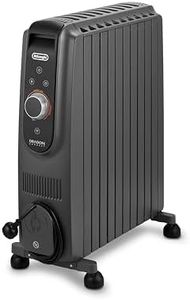
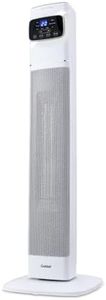
Type of Heater (Ceramic, Infrared, Oil-filled, etc.)The heater type determines how heat is produced and distributed. Ceramic heaters heat air quickly and are good for fast spot heating. Infrared heaters warm up people and objects directly, often feeling very comfortable in smaller or drafty spaces. Oil-filled heaters take longer to heat up but offer consistent, long-lasting warmth. Your needs can guide your choice: for quick warmth in a small area, ceramic or infrared works well; for maintaining a steady temperature in a bedroom or living room, oil-filled may be ideal.
Noise LevelNoise level is how much sound the heater makes while operating. Heaters with fans tend to make more noise, which can be distracting if used in bedrooms or offices. Those with silent or near-silent operation, like oil-filled or some infrared models, are better if you need to maintain a quiet environment. If you're sensitive to noise or want to use the heater where you sleep or work, check for user feedback on how loud the unit is and look for models advertised as 'quiet' or 'silent.'
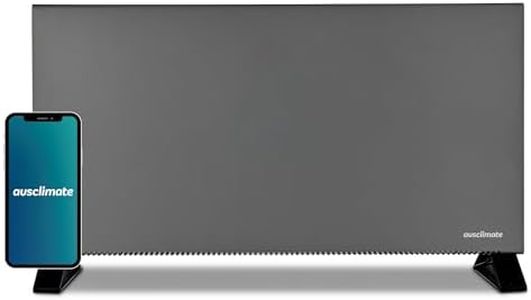
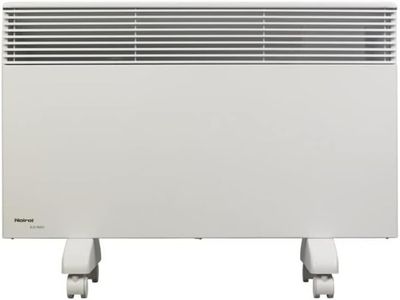
Portability and Mounting OptionsPortability refers to how easy it is to move the heater from one place to another, while mounting options include free-standing, wall-mounted, or even ceiling installations. A portable heater with handles and casters is ideal if you want to use it in different rooms. Wall-mounted or fixed heaters are more discreet and safer in areas with little floor space. Base your decision on where you plan to use the heater most and whether flexibility or a permanent setup is better for you.