8 Best Wilson Basketballs
From leading brands and best sellers available on the web.By clicking on a link to a third party's website, log data is shared with that third party.
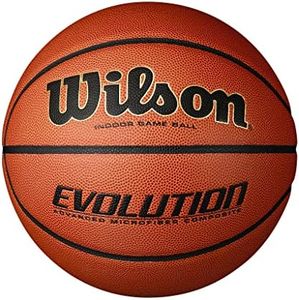
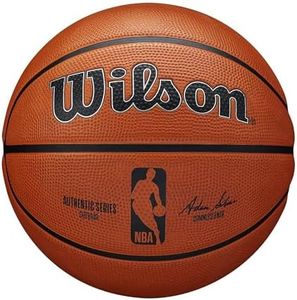
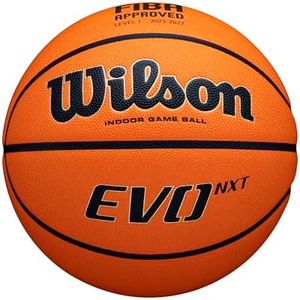
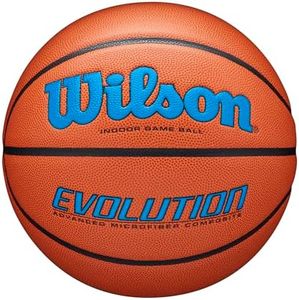
Buying Guide for the Best Wilson Basketballs
Choosing the right basketball is essential for a fun and safe experience, whether you're playing casually or getting serious about your game. The quality and feel of the basketball can affect your performance and enjoyment. When shopping for a basketball, it's important to think about where you'll be playing, your skill level, and preferences for grip and bounce. Understanding the main features will help you pick the best ball for your needs.SizeBasketballs come in different sizes, typically measured in inches and by their official number (like size 5, 6, or 7). This spec is important because the right size makes the game more comfortable and improves ball control. Size 5 is designed for youth players (usually under 11 years old), size 6 is for women and boys ages 12-14, and size 7 is the official size for adult men. Picking the right size depends on your age and gender—using a ball that's too large or small can make it harder to handle and can affect your enjoyment and performance.
MaterialBasketballs are typically made from leather, composite leather (synthetic), or rubber. The material matters because it affects grip, feel, and durability. Leather basketballs offer a premium feel but are generally used indoors and require a break-in period. Composite leather mimics the feel of real leather and is suitable for both indoor and outdoor play, making it versatile for most people. Rubber basketballs are more durable on rough surfaces and are best for outdoor use, great for beginners or casual players. To choose the right one, consider where you'll be playing most often and whether you prefer a soft or more durable feel.
Grip and TextureThe grip is determined by the ball’s surface texture and the depth of its channels. This is important because a good grip makes dribbling, passing, and shooting easier and reduces the risk of slips. Deep channels and tacky surfaces offer better control, which helps new learners and those playing fast-paced games. Smoother balls may be preferred by advanced players who like a quick release. When picking, think about your comfort with how sticky or smooth the ball feels in your hands and whether you need extra control for learning basic skills.
Bounce ConsistencyConsistency in how the ball bounces is crucial for predictable play. If a ball has an even and responsive bounce, it helps you control your movements and shots better. If you’re just starting, you may not notice much difference, but inconsistent bounce can be frustrating as you improve. Balls designed for indoor use generally have a truer bounce, while outdoor balls are made to be tough but may feel slightly harder or less responsive. Test dribbling a few different balls, if possible, to see what feels natural for your playing style.
Inflation and Air RetentionHow well a basketball holds air affects its performance over time. If a ball loses air quickly, it will require frequent pumping and won’t bounce properly. Basketballs with a quality bladder or valve system hold air better, so you spend less time maintaining them. This matters for all players but especially if you play a lot or don’t want to hassle with regular inflating. If you want low maintenance, look for balls with reputations for strong air retention.