10 Best Winter Tents
From leading brands and best sellers available on the web.By clicking on a link to a third party's website, log data is shared with that third party.
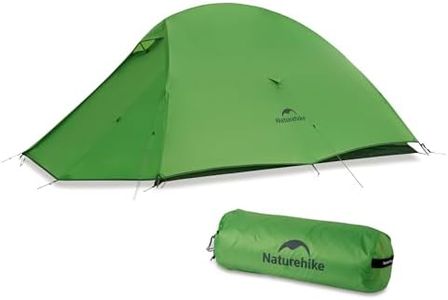
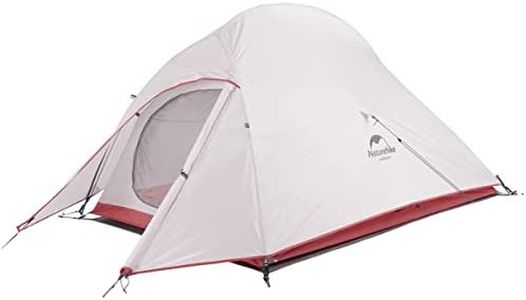

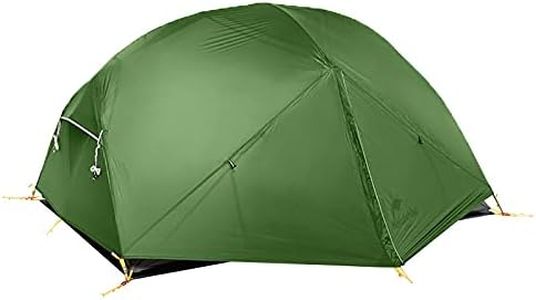
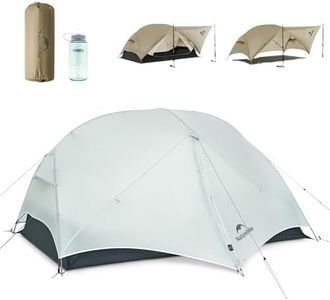
Related Products
Up to 15% off
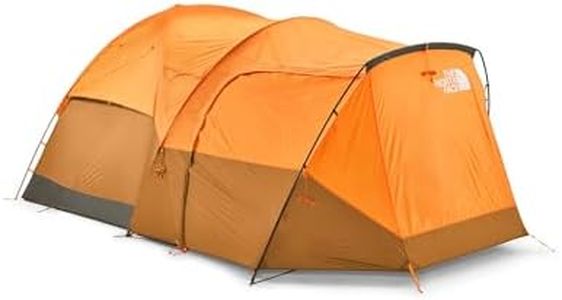
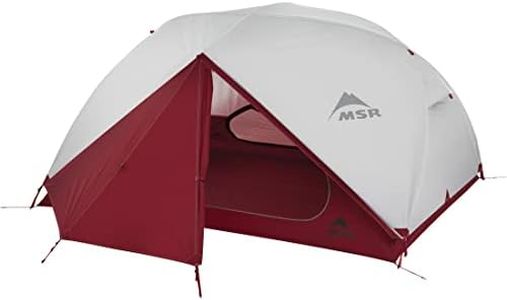
Buying Guide for the Best Winter Tents
Choosing a winter tent is about finding the right balance between protection from harsh winter weather and your personal comfort needs. Winter tents are designed to withstand snow, cold winds, and often more extreme conditions than regular camping tents. Before you pick one, consider where, how often, and with how many people you’ll be camping. Think about whether you’ll be facing heavy snow, high winds, or just cold temperatures. The way you plan to use your tent—like solo alpine expeditions or recreational family outings—should help guide your decision. Careful attention to the key features will ensure you stay warm, safe, and comfortable throughout your adventure.Season RatingThe season rating tells you what weather the tent can handle—winter tents are usually rated as 4-season. This is important because only 4-season tents are designed to withstand snow loads, strong winds, and low temperatures typical in winter environments. If you're camping only in mild winter conditions or sheltered spots, a 3+ season tent might be enough, but for proper snow or mountain conditions, stick with true 4-season tents for safety and comfort.
Tent Structure (Poles and Shape)The structure refers to the tent’s shape and how sturdy it is. Winter tents often use more poles and have dome or geodesic shapes to better withstand heavy snow and strong winds. Dome-shaped tents are good for wind resistance, while geodesic designs add extra stability for very harsh conditions. If you expect high winds and snow, opt for a tent with more poles and a stiffer shape. For milder conditions, a simpler dome may be sufficient and lighter to carry.
Fabric and MaterialThe materials used in the tent—mainly the outer fabric and the floor—impact warmth, durability, and weather resistance. Look for thick, waterproof, and ripstop materials. The rainfly should extend close to the ground. For harsh conditions, select tents with heavy-duty fabric to prevent snow and wind from getting inside, while for lighter winter use, a mid-weight fabric can keep you comfortable without being too heavy to carry.
VentilationVentilation helps manage moisture inside your tent, which is vital in winter to avoid condensation buildup. Winter tents have built-in vents and special flaps to allow air flow while keeping snow out. Choose a tent with adjustable vents if you'll be camping in humid conditions or with several occupants. If your trips are short or you're in dryer cold environments, basic venting may be sufficient.
Weight and Packed SizeThe weight and packed size are about how easy it is to carry the tent, especially important if you’re hiking or skiing to your campsite. Heavier tents often mean more protection, while lighter tents are easier to transport. If you plan to travel far with your tent on your back, find a lighter model, but if you'll be at a base camp or close to your car, prioritize durability and space over weight.
Interior SpaceInterior space affects both comfort and warmth. A snugger tent is easier to heat up with body warmth, but a bit more room is helpful for storing winter gear. Consider how many people and how much gear you'll have inside. If you need to spend long periods inside due to weather, or have lots of winter equipment, slightly more space can make a big difference to comfort.
Entry Points and VestibulesEntry points are the doors, and vestibules are the covered areas outside the main sleeping space. Multiple doors make it easier to get in and out, especially if snow piles up. Vestibules provide an area to store wet boots or cook safely away from snow. If you expect many people or lots of gear, look for more doors and larger vestibules; for solo or minimalist use, one door and a small vestibule may suffice.