10 Best Womens Bike Helmets
From leading brands and best sellers available on the web.By clicking on a link to a third party's website, log data is shared with that third party.

Related Products

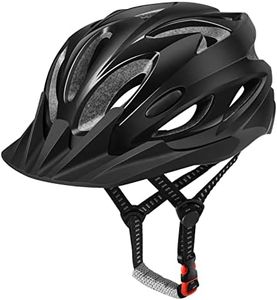
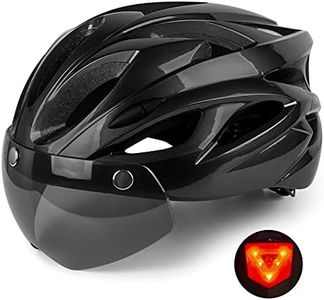
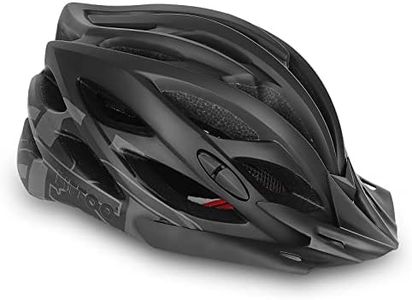
Buying Guide for the Best Womens Bike Helmets
Choosing the right women’s bike helmet isn’t only about comfort or style—it’s crucial for your safety and can also affect your enjoyment and willingness to ride. The ideal helmet will fit your head well, feel comfortable during both short and long rides, and suit the style of cycling you do, whether it’s urban commuting, road biking, or mountain biking. While women’s helmets sometimes offer slightly different designs or sizes, the main focus should always be protection, fit, and features that match your riding habits.Helmet Fit and SizeFit is the most important factor for a helmet because a poor fit can negate much of the protection a helmet is designed to offer. Helmets usually come with adjustable retention systems and various sizes, often measured in centimeters using the circumference of your head just above your eyebrows. Small sizes generally fit heads under 54cm, medium for 54-58cm, and large above that. To choose, measure your head and consult size charts—pick the one that’s snug but not tight, with the helmet sitting level and no excessive movement when you shake your head.
Safety StandardsSafety certifications guarantee that a helmet meets basic protection standards. Look for certifications like CPSC, EN 1078, or others relevant in your region. This ensures the helmet has passed impact and strap tests. Don’t settle for a helmet without these certifications, as safety is always the top priority.
VentilationVentilation refers to how many vents and the airflow providing cooling while you ride. More vents mean better airflow, which is ideal for longer rides or hotter climates, but fewer vents can sometimes mean more protection or warmth, suitable for leisurely rides or colder environments. If you ride vigorously or in warm weather, choose a helmet with more and larger vents. For relaxed, cool-weather commutes, ventilation may be less important.
WeightHelmet weight affects how it feels on your head over time. Lighter helmets produce less neck strain and are better for longer rides, while slightly heavier helmets often come from added features or enhanced protection. For daily urban use, weight matters less; for long-distance cycling, a lighter helmet may enhance comfort.
Retention and Adjustment SystemsThis refers to how the helmet is adjusted for fit, usually via a dial or ratchet system at the back, plus strap adjustments. Well-designed systems make on-the-fly changes easy, ensuring safety and comfort throughout your ride. If you experience fluctuating hairstyles or want perfect fit regardless of headwear, prioritize easy, fine adjustment systems.
Padding and ComfortInternal padding aids both comfort and moisture management. Removable and washable pads help with hygiene, while thicker pads may improve comfort but can reduce airflow. If you sweat heavily or bike often, look for absorbent, easily washed pads.
MIPS or Additional Safety TechnologiesMIPS (Multi-directional Impact Protection System) is an added safety technology that helps reduce rotational forces in certain impacts. Helmets with MIPS or similar systems may offer extra protection in crashes. For those who ride frequently, at high speeds, or in challenging environments, choosing a helmet with such features could add peace of mind.
Style and ColorWhile it’s often seen as just an aesthetic, the color and visibility of your helmet are actually safety concerns. Brighter colors and reflective accents help you be seen in traffic or low-light conditions. Select a style and color you enjoy (so you’ll actually wear it), but consider visibility if you often ride in busy areas or at dusk.
Helmet TypeThere are various helmet types based on riding style—road, mountain, urban, or leisure. Road helmets prioritize low weight and ventilation, mountain bike helmets offer more coverage and visors, urban helmets focus on solid protection and a stylish look. Choose based on the cycling you do most: extra protection for adventurous rides or sleeker, airy designs for road or city travel.