10 Best Yoga Mat
From leading brands and best sellers available on the web.By clicking on a link to a third party's website, log data is shared with that third party.
Related Products
Up to 15% off
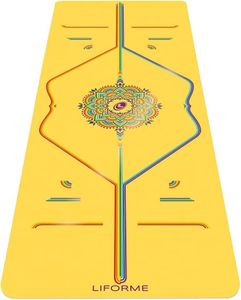
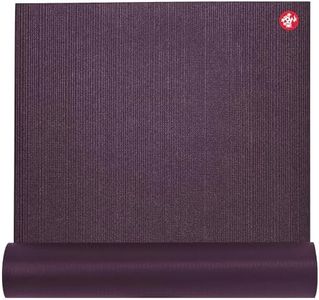
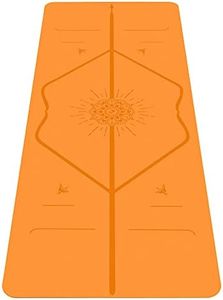
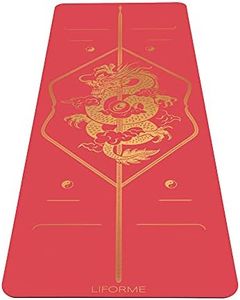
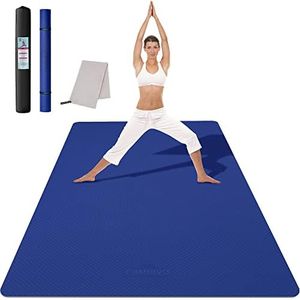
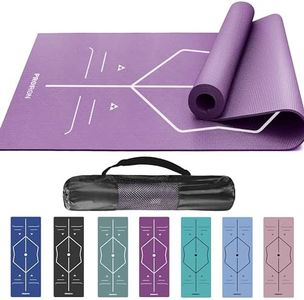
Buying Guide for the Best Yoga Mat
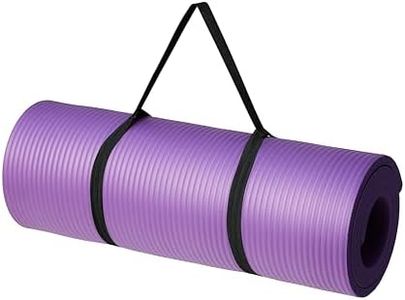
Choosing the right yoga mat can make your practice more comfortable and enjoyable, whether you are a beginner or an experienced yogi. The ideal mat helps you maintain balance, protects your joints, and enhances your overall experience. Before you buy, think about where you’ll practice most often, the type of yoga you do, your body type, and whether you’ll be carrying the mat to classes or just using it at home. Understanding the key features will help you make the best choice for your needs.ThicknessThe thickness of a yoga mat affects both comfort and stability. Thicker mats (6mm or more) provide more cushioning, which is great for people with sensitive joints or those who practice on hard floors. Thinner mats (2-3mm) offer better stability for balance poses and are easier to roll up and carry. If you move a lot or travel frequently, a thinner mat might be ideal, while practicing mostly at home may allow you to use a thicker, more comfortable mat. The best thickness for you depends on your sensitivity to pressure, how much support you want for your knees and wrists, and how much you move your mat around.
MaterialYoga mats come in several materials, such as PVC, rubber, TPE, and even cork or jute. Each material influences grip, durability, environmental impact, and how easy the mat is to clean. PVC mats are durable and sticky, but not eco-friendly. Natural materials like rubber or cork are more sustainable and biodegradable but may be heavier or have a different feel. If you’re sensitive to chemicals, aim for mats labeled as non-toxic or free from specific substances like latex. Think about your priorities: if you value eco-friendliness, look at natural options; if you want something long-lasting and low maintenance, PVC or TPE could be a good fit.
Texture and GripThe texture of a mat affects how much grip it provides, both for your hands and feet and against the floor. A grippy mat helps prevent slipping, which is important if you sweat a lot or do dynamic poses. Smooth mats may feel nicer on the skin, but textured mats give more security. Some mats use natural material for grip, while others add patterns or coatings. If you do hot yoga or find yourself slipping, look for extra grip; if you value a soft feel for gentle stretching, a smoother mat could be better. Testing the mat's surface can help determine what feels secure but comfortable for your practice.
Size and WeightStandard yoga mats are around 68 inches long and 24 inches wide, but taller individuals or those who want extra room should look for longer or wider mats. Weight varies with size and material—ultralight mats are ideal for carrying to class, while heavier ones can stay at home. If you practice at home, size and weight may matter less, but if you’re commuting or traveling, you’ll want something easy to transport. Consider how much space you need for poses and how likely you are to be carrying the mat.
Ease of CleaningYoga mats can get sweaty and dirty, so it’s important to choose one that’s easy to clean. Some mats can be wiped clean quickly, while others are machine-washable. Materials like PVC typically resist moisture and clean easily, but mats made of cork or fabric may require more attention. If you practice daily or in groups, regular cleaning is even more important. Pick a mat that matches your willingness to clean it—if you’d rather toss it in the machine than hand-wipe, check for those features before buying.