We Use CookiesWe use cookies to enhance the security, performance,
functionality and for analytical and promotional activities. By continuing to browse this site you
are agreeing to our privacy policy
10 Best Youth 27 Inch Baseball Bats
From leading brands and best sellers available on the web.By clicking on a link to a third party's website, log data is shared with that third party.
Related Products



Buying Guide for the Best Youth 27 Inch Baseball Bats
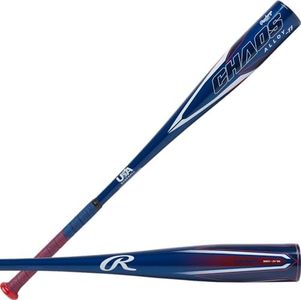
Choosing the right 27-inch baseball bat for youth is important to help young players develop their skills, improve their swing, and enjoy the game. The right bat can boost confidence, prevent injury, and make practice more enjoyable. When shopping, it's helpful to focus on the key specifications that affect comfort, performance, and safety for the age and skill level of the player.MaterialThe material of a youth baseball bat usually falls into three main categories: aluminum (alloy), composite, and wood. Alloy bats are lightweight and durable, making them a good all-around choice for most youth players. Composite bats tend to offer a larger sweet spot and reduced vibration, but often require a break-in period and can be more sensitive to cold weather. Wood bats, while traditional, are heavier and not as commonly used in youth leagues. When choosing material, consider how much power and swing speed the player has—most young players benefit from lightweight alloy or balanced composite bats.
Weight (Drop Weight)Drop weight is the difference between the length of the bat (in inches) and its weight (in ounces). For example, a 27-inch bat with a -10 drop weighs 17 ounces. The higher the negative number, the lighter the bat for its length. Heavier bats offer more power but can be harder to control, especially for beginners. Lighter bats are easier to swing and are usually better for younger players who are still developing strength and swing mechanics. Match the drop weight to the player's strength and comfort—if they struggle to control the bat, choose a lighter drop weight.
Barrel DiameterBarrel diameter refers to the thickness of the widest part of the bat. Youth bats typically have a barrel diameter of either 2 1/4 inches or 2 5/8 inches. A larger barrel provides a bigger sweet spot, making it easier to make solid contact with the ball, but it can also add weight. Most youth leagues specify which barrel sizes are allowed, so always check league rules before purchasing. For most young players, a standard 2 1/4-inch barrel is a safe choice unless the player is advanced or the league allows larger sizes.
GripThe grip of the bat affects how comfortable it is to hold and swing. Modern youth bats come with grips that can dampen vibration and offer a non-slip surface. Thicker, cushioned grips can help reduce sting on mishits, which is especially important for beginners. Players with smaller hands might prefer thinner grips for better control. Consider how sensitive the player is to bat vibration and how their hands fit around the handle to choose the best grip style.
League CertificationDifferent youth baseball leagues have specific standards and certifications for bats, such as USA Baseball or USSSA. These certifications make sure the bat meets safety and performance requirements. Always check with your league to understand what certification or marking is needed. Choosing a bat with the correct stamp ensures it can be used in games and practices, and that it performs at an appropriate level for youth players.