10 Best Youth Soccer Ball
From leading brands and best sellers available on the web.By clicking on a link to a third party's website, log data is shared with that third party.


Related Products

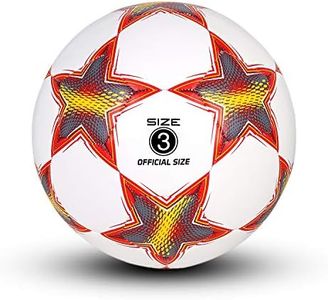
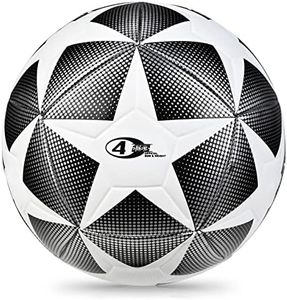
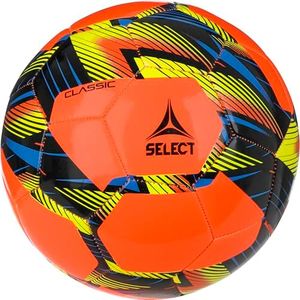
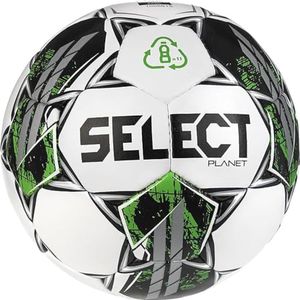
Recommended lists

Top rated
Soccer Balls
Buying Guide for the Best Youth Soccer Ball
When selecting a youth soccer ball, it’s important to find one that matches your child’s age, playing environment, and skill level. A good soccer ball helps young players enjoy the game, develop their technique, and play safely. The right ball should feel comfortable and encourage control, all while being the correct size and weight for growing players. Paying attention to a few main features will ensure you pick a ball that’s both durable and enjoyable for practice or games.Ball SizeYouth soccer balls come primarily in sizes 3, 4, and 5. Size 3 is typically used for players under 8 years old, size 4 for players between 8 and 12, and size 5 is considered standard for ages 13 and up. Choosing the right size is important because a ball that’s too large or heavy can be difficult for young players to control and may affect their technique or cause injury. Always check the recommended size for your child’s age group, and if possible, try letting them handle different sizes to see which one feels most comfortable.
Material (Outer Cover)The outer surface of a soccer ball is usually made from synthetic leather (like polyurethane or PVC) or rubber. Synthetic leather is softer, offers better control, and is commonly used in higher-quality balls, while rubber or PVC is harder but more durable and often found in cheaper practice balls. For kids playing mainly on grass or in organized leagues, a softer synthetic cover is more comfortable and easier to manipulate. For frequent use on rough surfaces like playgrounds, a tougher material might last longer.
Bladder TypeThe bladder is the inside part of the ball that holds the air and affects how bouncy the ball is. Most youth balls use either latex or butyl bladders. Latex offers a softer touch and better responsiveness but needs to be refilled with air more often. Butyl bladders keep their shape and air longer, making them better for casual play and beginners who don’t want to constantly inflate the ball. Think about how often the ball will be played with and how important touch and feel are to your young player when deciding which is right.
WeightYouth soccer balls are lighter than adult balls to protect young joints and help players control the ball. Each ball size has a recommended weight according to age groups. A ball too heavy can make learning frustrating and may even cause injury if repeatedly kicked or headed. Always pick a ball labeled specifically for youth or junior use to ensure it matches both size and weight standards for children.
Certifications and StandardsSome soccer balls are labeled as meeting official standards of organizations like FIFA or local soccer associations. While certification might not be crucial for casual backyard play, it provides assurance that the ball is properly balanced, sized, and constructed for match use. For kids playing in leagues or organized settings, checking for certification ensures your ball will be allowed in games and meets quality expectations.
DurabilitySince kids can be rough on equipment, durability is important. Balls designed for training are generally tougher and made to withstand hard surfaces and frequent use, while match balls might focus more on performance and touch. Consider how and where your child will use the ball—lots of outdoor use on pavement or playgrounds calls for a more robust ball, while smoother grass play or indoor use allows for softer, performance-oriented choices.