9 Best Zeiss Binoculars
From leading brands and best sellers available on the web.By clicking on a link to a third party's website, log data is shared with that third party.
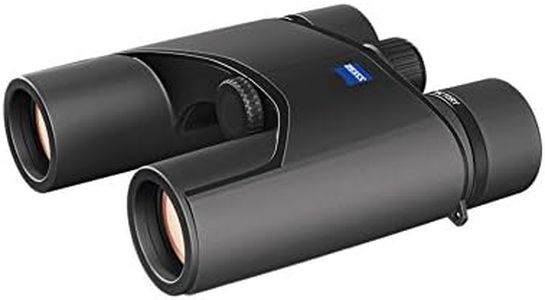
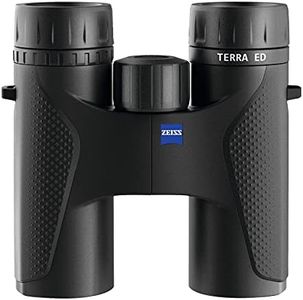
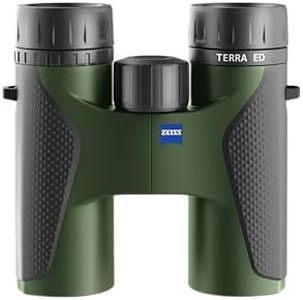
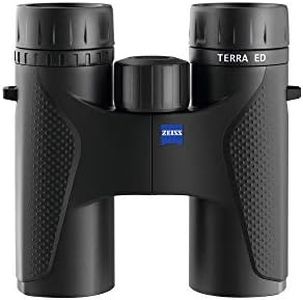
Recommended lists


Buying Guide for the Best Zeiss Binoculars
Shopping for binoculars, especially those from a reputable brand like Zeiss, requires matching the product's features to the way you plan to use them. Whether you're into birdwatching, hiking, sports events, or stargazing, the right pair of binoculars will make your viewing experience much more enjoyable. The key to picking a great pair is understanding the specifications, what they mean, and how they impact your daily use.Magnification (Power)Magnification tells you how many times closer the object will appear compared to the naked eye. It's usually the first number in a binocular's description, like 8x42, where '8x' means eight times closer. Lower magnifications like 6x to 8x provide a wider field of view and are easier to hold steady, making them ideal for birdwatchers and general use. Higher magnifications, such as 10x or above, bring subjects closer but can be harder to keep stable and may limit your field of view—these are suited for observing distant wildlife or astronomical objects. Think about how far away your typical subjects will be and your ability to hold binoculars steady when picking the right magnification.
Objective Lens DiameterThis is the second number in the binocular's description (e.g., 8x42, where 42 means 42mm). The objective lens diameter determines how much light the binoculars can gather; larger diameters deliver brighter images, especially in low-light situations like dawn or dusk. Smaller diameters (around 25mm) are light and compact, great for travel, but may not perform well in low light. Medium sizes (32-42mm) offer a good balance for most uses, while larger objectives (50mm and up) are heavier yet better for stargazing or when you need maximum brightness. Your use case and willingness to carry heavier gear should guide your choice.
Field of ViewField of view defines the width of the area you can see at a certain distance, usually measured in meters at 1,000 meters or feet at 1,000 yards. A wide field of view is important for quickly spotting and following moving objects, such as birds or sports action. Narrower fields are common with higher magnification and are fine for stationary subjects. If you're interested in fast-moving wildlife or want to scan large areas, choose binoculars with a wider field of view.
Weight and SizeBinoculars come in various sizes and weights, impacting comfort during extended use. Compact models are light and easy to carry, great for travel or casual walks. Full-sized models can be heavier, providing better brightness and detail but may tire your arms during long observations. How and where you plan to use them—hiking, travel, or stationary viewing—should determine how much weight is comfortable for you.
Waterproof and FogproofMany modern binoculars are sealed and filled with dry gas to keep out water and prevent fogging inside the lenses. Waterproofing is crucial if you plan to use your binoculars in rainy weather, on boats, or in humid environments. Fogproofing ensures clear views during temperature changes. Consider these features essential if you’ll be outdoors in unpredictable weather, but may be less vital for indoor or dry-use.
Eye ReliefEye relief refers to the distance you can hold the binoculars away from your eyes and still see the full field of view. It's especially important for eyeglass wearers. Short eye relief can make viewing uncomfortable if you wear glasses, while longer eye relief (usually 15mm or more) offers comfortable viewing. If you wear glasses, look for binoculars with higher eye relief.
Image Stabilization and Focusing MechanismsSome binoculars offer image stabilization to reduce shaking, which is helpful with high magnifications or when your hands aren’t steady. For many users, a good central focusing knob allows easy and quick adjustment for clear viewing. Consider image stabilization for specialized uses or high-powered models, and test the focusing system's ease of use if you can.
Lens CoatingThe coatings on binocular lenses reduce glare and improve light transmission, resulting in clearer, brighter images. Fully multi-coated lenses tend to give the best performance, especially in challenging light. If image brightness and crispness matter to you—such as at dawn, dusk, or in shaded forests—opt for models advertised with superior coatings.