We Use CookiesWe use cookies to enhance the security, performance,
functionality and for analytical and promotional activities. By continuing to browse this site you
are agreeing to our privacy policy
10 Best Ice Cube Machines
From leading brands and best sellers available on the web.By clicking on a link to a third party's website, log data is shared with that third party.

Related Products
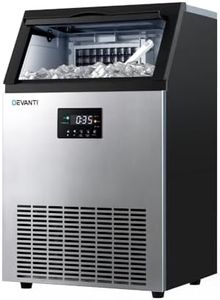

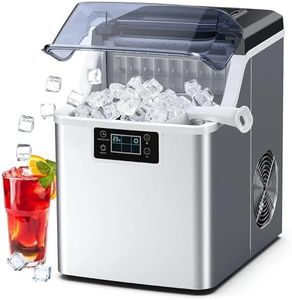
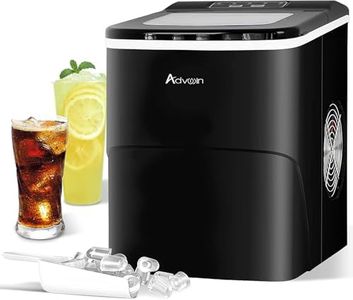
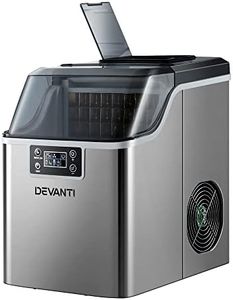
Recommended lists


Buying Guide for the Best Ice Cube Machines
Choosing the right ice-cube machine can make a big difference in your kitchen, bar, or entertainment area. The best way to begin is by thinking about how much ice you need, how quickly you need it, and where you plan to use the machine. Consider how often you'll use the machine and what kind of ice is best suited for your drinks or purposes. Focusing on your lifestyle, space, and intended use will help you make the smartest choice.Ice Production CapacityIce production capacity tells you how much ice a machine can produce over a 24-hour period. This is important because it determines whether the machine meets your daily ice needs. Smaller machines usually make around 20-30 pounds per day, which works well for home use or occasional entertaining, while larger machines can make 50 pounds or more and are better for offices, large families, or small events. When picking a capacity, estimate how much ice you typically use in a day, and choose a machine that comfortably supports that amount without running out.
Ice Storage CapacityThis spec shows how much finished ice the machine can hold at once before it stops making new ice. It's important because if the storage bin is too small, the machine will pause production until you remove ice, which could leave you waiting. Small units might store 1-2 pounds, suitable for light personal use, while larger storage capacities of 5 pounds or more are better for parties or steady use. Match the storage size to how much ice you expect to keep on hand at one time.
Ice TypeIce machines produce different types of ice, such as bullet, nugget, cube, or gourmet. Each type melts at a different rate and can be better for certain drinks or uses. For example, nugget ice is softer and great for chewing, while clear cubes melt slowly and look attractive in cocktails. If you mostly use ice for sodas or blended drinks, nugget or bullet ice might be ideal, but for serving whiskey or cocktails, clear or gourmet cubes may be better. Think about what types of drinks you enjoy most and choose accordingly.
Size and Installation RequirementsThe physical size of the ice maker and its installation needs determine where you can place it. Countertop models are compact and plug into a regular outlet, working best for kitchens with limited space, while undercounter or freestanding machines take up more room and may require a water line and drain. Measure your available space and consider if you want something portable or built-in. Your space and whether or not you can connect to a water supply and drain will guide your choice.
Cycle SpeedCycle speed is how long it takes for the machine to make a batch of ice, often expressed in minutes per cycle. Quicker cycle speeds mean you have ice available faster, which is important if you don't want to wait or if you'll frequently need to refill. Faster machines (taking 6-10 minutes per cycle) are good for busy households or parties, while slower machines are acceptable for infrequent use. If you often need ice on demand, prioritize a machine with a faster ice-making cycle.
Ease of Use and MaintenanceFeatures like simple controls, easy water refills, and self-cleaning functions make ongoing use and maintenance much simpler. This is important because it impacts how much effort you'll need to keep your machine running smoothly and your ice clean and safe to use. Look for machines with intuitive design and clear instructions if you prefer convenience, especially if you'll be using your ice maker often or want to avoid complicated maintenance routines.