10 Best Scuba Bags
From leading brands and best sellers available on the web.By clicking on a link to a third party's website, log data is shared with that third party.
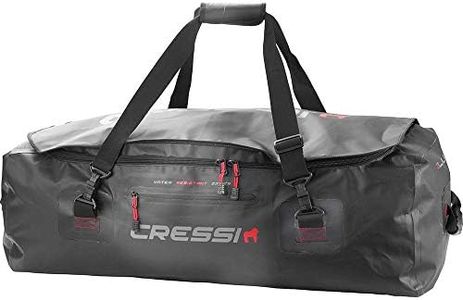
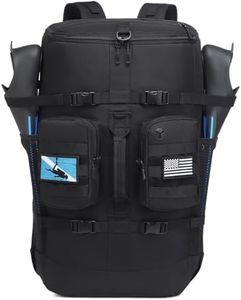
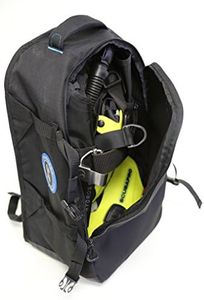
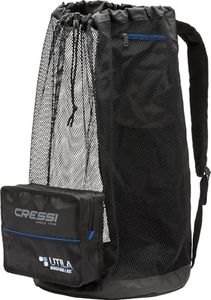
Related Products
Recommended lists

Top rated
Scuba Bcds
Buying Guide for the Best Scuba Bags
Choosing the right scuba bag is essential because it protects your gear and makes transporting your equipment easier and safer. The main things to pay attention to are how much stuff you need to carry, how often you'll travel, and the type of diving you do. It's important to balance durability, size, and convenience to find a bag that fits your specific diving lifestyle.Size and CapacitySize and capacity refer to how much space the bag can offer for your scuba equipment. This spec matters because too small a bag forces you to leave important gear behind or cram items, risking damage; too big, and you may be carrying unnecessary bulk. Smaller bags (under 60L) suit short trips or minimal gear, while mid-size (60-90L) fits most recreational sets, and large bags (over 90L) are best for full sets, extra wetsuits, or travel with multiple divers. Consider whether you need to pack just a mask and fins or a full set including wetsuit, BCD, and regulator to choose the right size for your diving routine.
Type (Duffel, Backpack, Roller)The type of bag describes how you carry it, and this is key for convenience and comfort. Duffel bags usually offer one large compartment, good for car travel or boat dives. Backpacks free your hands and distribute weight more evenly—ideal for walking any distance. Roller bags have wheels, making them perfect for air travel or moving heavy loads but are not as handy on sandy or rough surfaces. Choose the type based on how you expect to get to the dive site and how much you need to carry by hand.
Material and DurabilityThis spec is about what the bag is made from and how tough it is. Since scuba gear often gets wet and exposed to salty water, a good scuba bag should resist both water and abrasion. Common materials include nylon and PVC, with thicker or coated fabrics offering better protection. Lightweight materials work for air travel, while heavy-duty options are better if your gear gets rough handling. If you dive often or in harsh environments, look for reinforced corners and rust-resistant zippers to get a bag that lasts.
Compartments and OrganizationCompartments help organize your gear, keeping fragile or wet items separate. Some bags offer one large space while others include multiple pockets for fins, masks, and smaller accessories. The right level of organization depends on how much gear you carry and whether you like things neatly separated or tossed together. If you travel with sensitive equipment like a dive computer, look for padded or dedicated compartments; if you keep things simple, a single large area may be enough.
Water Resistance and DrainageA bag's water resistance and drainage features prevent mildew and lingering moisture from damaging your gear. Most scuba bags are at least water-resistant, but some offer waterproof panels or drainage holes. If you pack wet gear after dives, look for bags with mesh windows or grommets for drainage. For carrying dry items or air travel, you might prefer fully enclosed or waterproof bags. Your choice should match whether you plan to pack the bag with wet or dry gear most often.